
Tankless water heater stopped heating: common causes and fixes
Common tankless water heater error codes like Navien E003 or Rinnai Code 11 indicate ignition failure, often caused by inadequate gas pressure, dirty flame sensors, or blocked intake venting. Annual chemical descaling with virgin white vinegar clears mineral buildup on heat exchanger coils and eliminates flow sensor error codes.
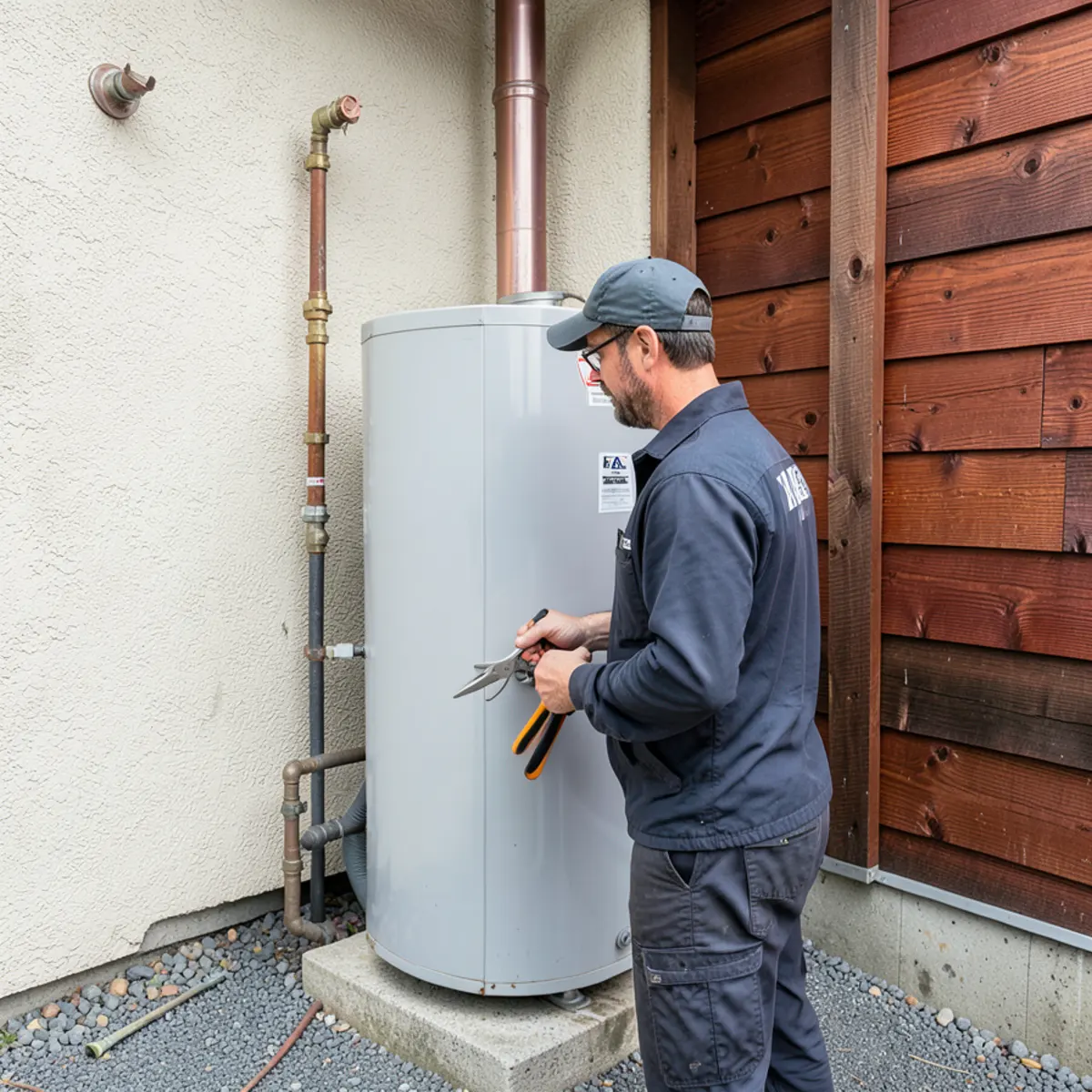
Table of Contents
- 1.Deciphering Manufacturer Diagnostic Code Architecture
- 2.Ignition and Gas Delivery Failures: Rinnai 11 and Navien E003
- 3.Combustion Venting and Air Intake Errors: Code 10, 90 and E110
- 4.Thermal Overheat Protection and Mineral Scale Lockouts: Codes 14 and 16
- 5.Manufacturer Tankless Error Code Cross-Reference
- 6.Frequently Asked Questions
Deciphering Manufacturer Diagnostic Code Architecture
Modern condensing and non-condensing tankless water heaters (including Navien, Rinnai, Noritz, and Rheem) utilize sophisticated microprocessor control boards that continuously monitor temperature sensors, flame rectification circuits, gas valves, and intake air velocity. When operating parameters deviate from strict safety margins, the unit halts combustion and flashes a two- or three-digit alphanumeric code on the digital wall controller. Understanding whether an error code represents an external fuel deficit, a mechanical sensor fault, or a dangerous combustion ventilation blockage is essential for safe troubleshooting. Our licensed service technicians carry specialized diagnostic testing tools, digital manometers, and factory-authorized interface cables to read stored cycle histories and identify transient electrical faults before components suffer terminal damage.
Key Takeaways
- Microprocessor continuously audits flame rectification, fan speeds, and exhaust temps
- Alphanumeric display codes indicate specific sub-system component faults
- Diagnostic codes prevent hazardous carbon monoxide production and heat exchanger cracking
- Error history logs in service mode reveal intermittent failure trends
Ignition and Gas Delivery Failures: Rinnai 11 and Navien E003
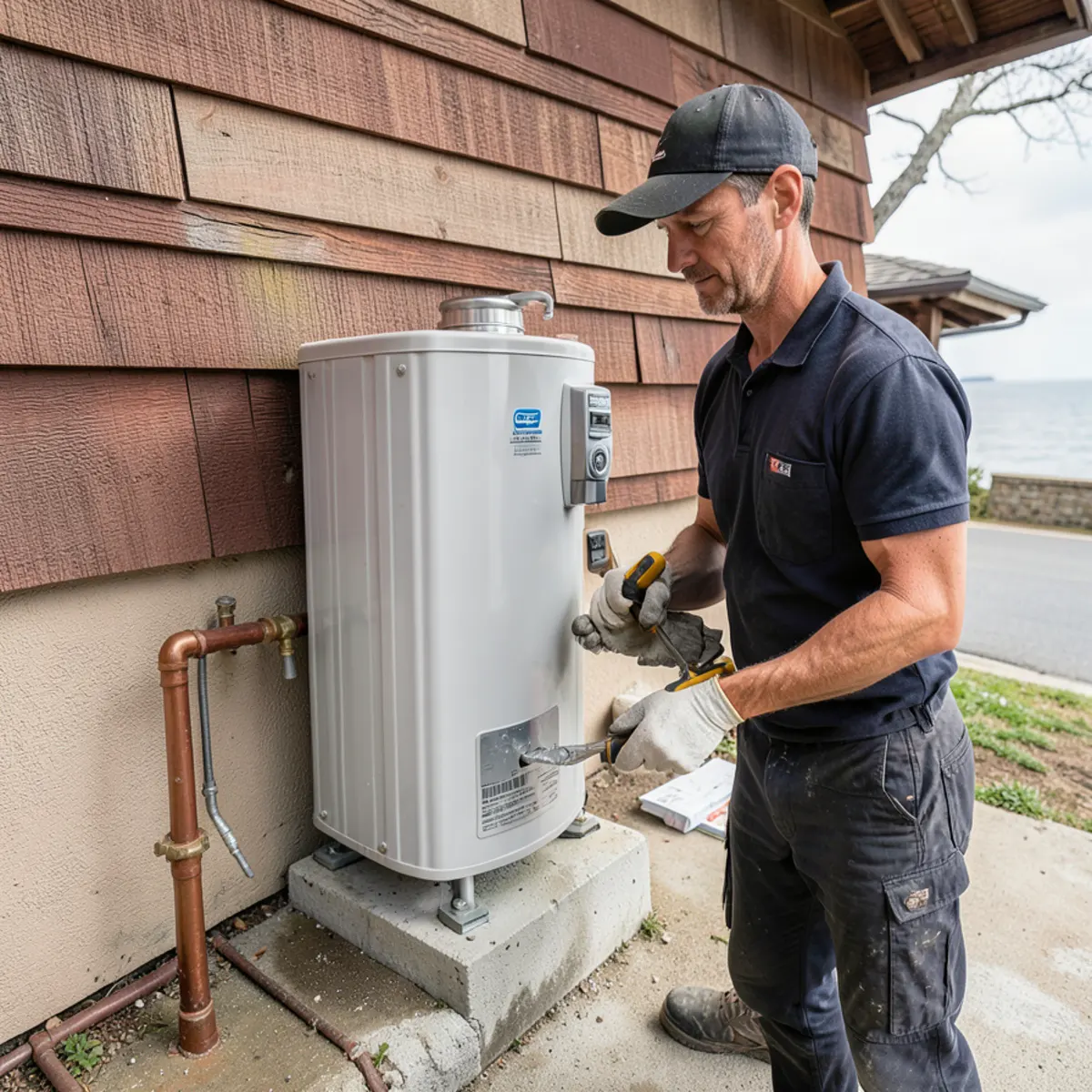
The most frequent error codes encountered across San Mateo County installations are ignition failures—specifically Rinnai Code 11 and Navien Code E003/E011. These indicate that the control board initiated the spark or hot surface igniter, but the flame ionization rod failed to sense an established flame within the programmed 3-to-5 second ignition window. In local homes, this frequently traces to undersized legacy gas supply pipes. A 199,000 BTU tankless water heater requires substantial volume; if previous contractors tied the unit into an existing 1/2-inch gas pipe rather than running dedicated 3/4-inch or 1-inch lines from the gas meter, pressure drops below 5.0 inches of water column during high burner demands, extinguishing the flame. In older neighborhoods along Jefferson Avenue and Whipple Avenue, upgrading an existing natural gas meter with PG&E or repiping from the meter in 1-inch black iron is often necessary to provide the required volumetric capacity.
Key Takeaways
- Rinnai Code 11 and Navien E003 signal failure to ignite or establish flame rectification
- Undersized 1/2-inch gas lines cause dynamic inlet pressure drop below 5.0 in W.C.
- Verify manual gas isolation cock on supply line is completely open
- Clean carbonized oxidation from flame ionization rod with fine brass wire brush
Combustion Venting and Air Intake Errors: Code 10, 90 and E110
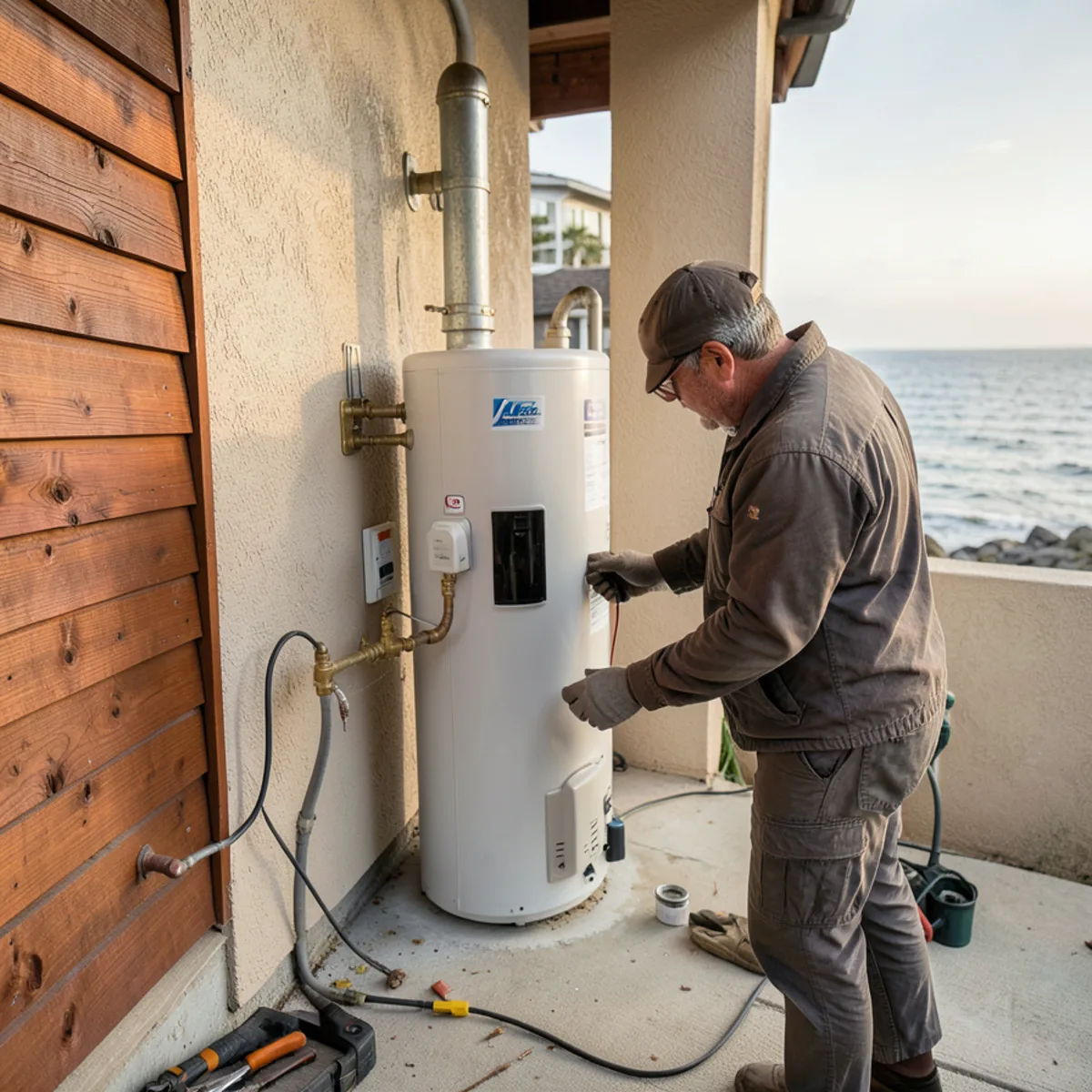
Condensing tankless units require balanced dual-pipe venting (typically Category IV polypropylene or schedule 40 PVC) to draw fresh combustion air and expel acidic exhaust gases. Rinnai Code 10, Noritz Code 90, and Navien Code E110 signal combustion fan speed anomalies, vent blockages, or high exhaust static pressure. In Peninsula communities, exterior intake vent terminations often ingest spider webs, leaves, or bird nesting materials. Additionally, condensing heaters produce up to two gallons of acidic condensate daily; if the internal condensate trap or neutralizer drain line freezes or becomes clogged, condensate backs up into the exhaust collector, tripping the float switch and locking out the burner.
Key Takeaways
- Codes 10, 90, and E110 indicate exhaust static pressure or intake airflow restrictions
- Inspect exterior PVC vent termination hoods for insect nests or leaf debris
- Clear internal condensate siphon trap and neutralizer drain pipe of blockages
- Verify total equivalent vent pipe length does not exceed manufacturer limits
Thermal Overheat Protection and Mineral Scale Lockouts: Codes 14 and 16
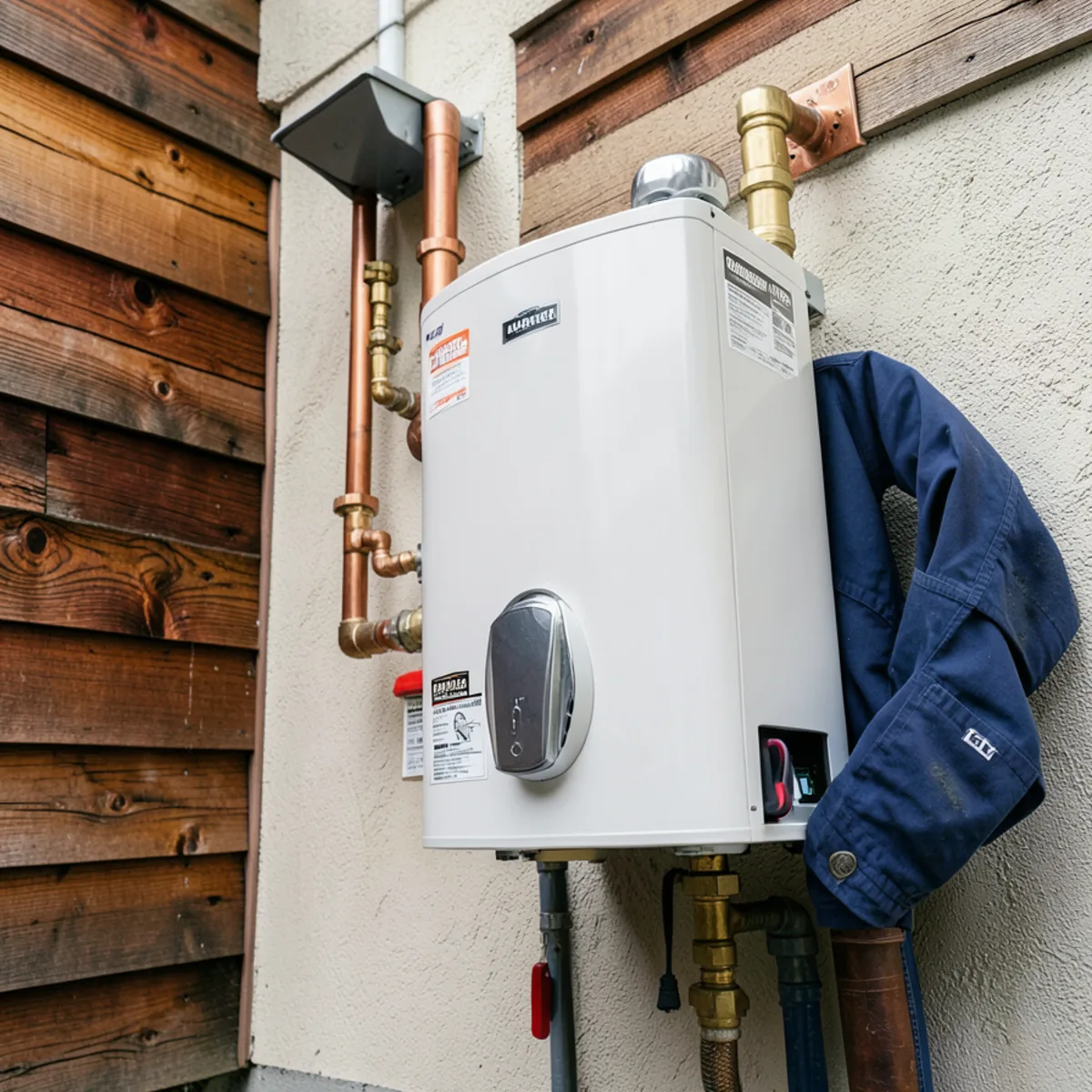
Error codes 14 and 16 represent thermal overload safety shutdowns. Modern units wrap high-limit fusible thermal links and thermistors around the copper heat exchanger shell. If the primary heat exchanger internal water temperature exceeds 200 degrees Fahrenheit, the thermal fuse permanently melts to prevent steam explosions and fire. The primary cause across the mid-Peninsula is calcium carbonate mineral scaling. As hard minerals precipitate out of unconditioned water, they create an insulating crust inside the micro-channel heat exchanger tubes. The copper tubes overheat rapidly, triggering code lockouts. Regular annual descaling flushes with food-grade virgin white vinegar or citric acid are mandatory to restore heat transfer and prevent cracked heat exchangers.
Key Takeaways
- Codes 14 and 16 represent high-limit thermal fuse open-circuits and overheating
- Internal mineral scale insulates copper tubes, causing severe metal overheating
- Tripped thermal fuse links require physical replacement and root-cause descaling
- Annual closed-loop chemical descaling flushes dissolve heat exchanger scale
Manufacturer Tankless Error Code Cross-Reference
| Brand | Error Code | Diagnostic Meaning | Field Fix |
|---|---|---|---|
| Navien NPE Series | E003 / E004 | Ignition failure / false flame detection | Clean flame rod, verify 1/2" to 3/4" gas supply |
| Navien NPE Series | E016 | Heat exchanger overheating | Perform vinegar descaling flush; check flow sensor |
| Rinnai SENSEI | Code 11 | No ignition detected by flame rod | Inspect gas meter regulator and igniter electrode |
| Noritz NRC Series | Code 14 | Thermal fuse open circuit | Clear vent obstruction; inspect heat exchanger |
Common Questions On This Topic
Frequently Asked Questions
Find clear answers to common questions about local plumbing codes, repairs, and our Redwood City service procedures.
Pressing the power button or cycling the electrical breaker will reset the microprocessor and clear the code temporarily. However, if the underlying mechanical cause—such as mineral scaling, gas starvation, or vent blockage—is not resolved, the unit will shut down again within minutes to protect against hazardous operating conditions.
Regulatory References & Standards
- • California Energy Code (Title 24) Chapter 5
- • National Fuel Gas Code NFPA 54
Need professional assistance with this plumbing issue?
Our technicians dispatch daily from 1835 Valota Rd. Call now to speak directly with our Redwood City team.