
A winter storm and water at the door: what to do first
Winter atmospheric river storms create severe flooding risks in low-elevation bayside neighborhoods like Friendly Acres and Redwood Shores due to high coastal tides and overloaded municipal drainage. Preparing sump pump systems with 12V marine battery backups, testing check valves, and maintaining clear exterior cleanout access prevents catastrophic storm damage.
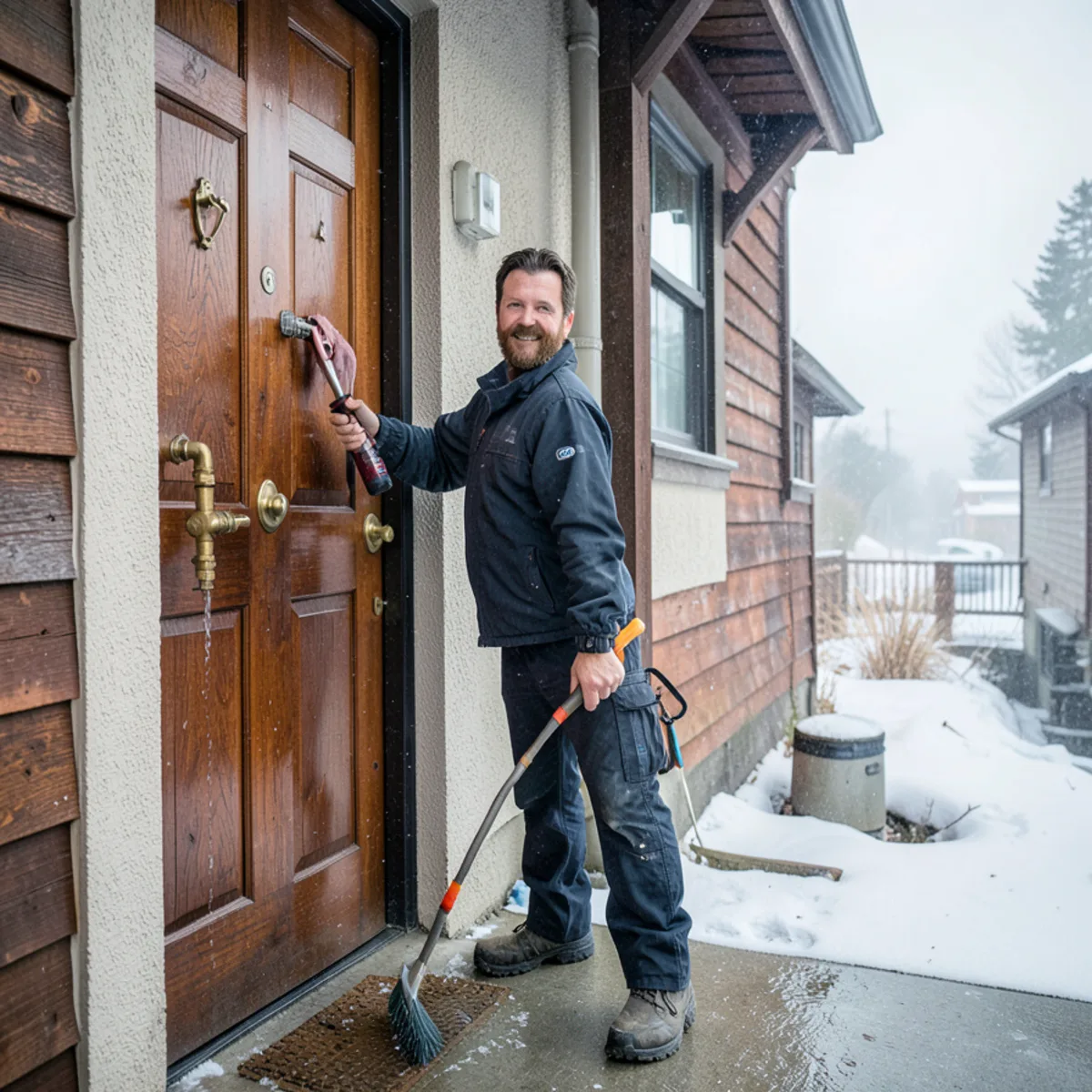
Table of Contents
- 1.Hydraulics of Bayside Storms: King Tides and Surcharged Public Mains
- 2.Immediate Defensive Measures: Pneumatic Plugs and Sump Verification
- 3.Code-Mandated Permanent Defense: Clean Check Backwater Valve Installation
- 4.Post-Storm Remediation and Drainage Line Clearing Protocols
- 5.Bayside Storm Plumbing Defense Protocol
- 6.Frequently Asked Questions
Hydraulics of Bayside Storms: King Tides and Surcharged Public Mains
Properties situated in low-elevation bayside neighborhoods of Redwood City—including Redwood Shores, Friendly Acres, and tracts bordering Redwood Creek—face unique hydrostatic pressures during atmospheric river storm events. When heavy rainfall coincides with astronomical king tides in San Francisco Bay, municipal stormwater and combined sanitary conveyance infrastructure become fully surcharged. The public storm main in the street fills to capacity, elevating the hydraulic gradeline above finished home foundation elevations. Because water seeks its own level, gravity-driven sewer and storm flows exert backward pressure through private lateral connections, seeking relief through the lowest plumbing fixtures inside residential structures. In addition, high groundwater saturation in the Bayside alluvium reduces natural soil absorption, multiplying the volume of surface runoff diverted into residential lateral trenches and foundation perimeter drains.
Key Takeaways
- Coinciding king tides and storm runoff surcharge municipal collection mains
- Hydraulic gradeline in street mains rises above residential slab elevations
- Hydrostatic pressure pushes contaminated water backward into private laterals
- Fixtures installed below street manhole rims represent primary entry points
Immediate Defensive Measures: Pneumatic Plugs and Sump Verification
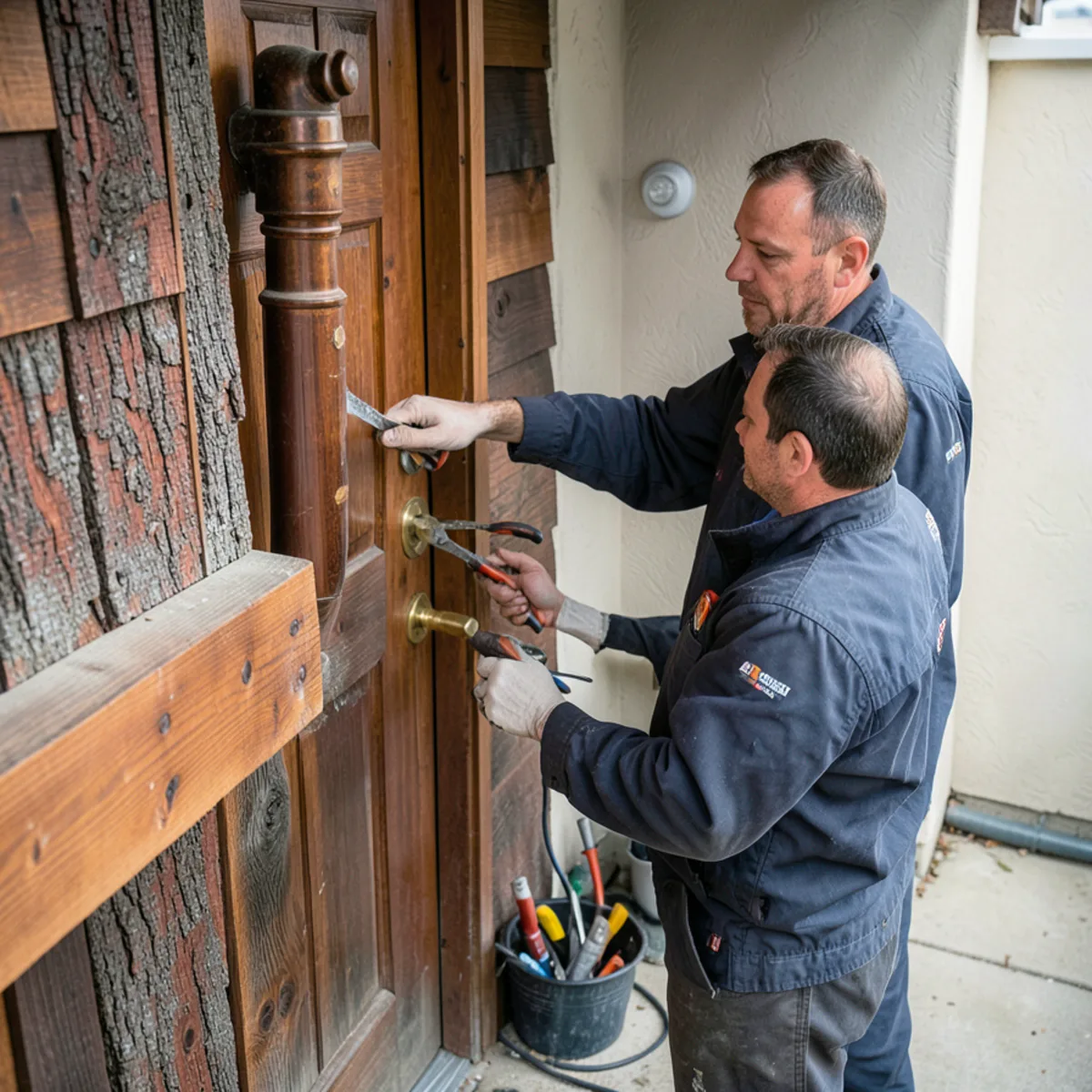
When storm runoff begins rising in your street and cleanouts begin bubbling, immediate protective action is necessary to prevent indoor blackwater inundation. Plumbers recommend installing heavy-duty inflatable mechanical or pneumatic drain test plugs into the lowest ground-floor fixtures, specifically walk-in shower drains, bathtub drains, and floor drains. Tighten the central wing nut or inflate the rubber bladder with a bicycle hand pump to create a watertight mechanical seal against backward flow. Simultaneously, inspect your basement or crawl space submersible sump pump. Manually lift the vertical float switch to confirm the motor spins freely, clear the suction intake screen of debris, and confirm the inline check valve prevents discharged water from falling back into the basin.
Key Takeaways
- Insert mechanical expansion or pneumatic test plugs into lowest shower drains
- Tighten wing-nut plugs to seal against rising sewer backwater pressure
- Test submersible sump pump float switch operation and discharge pipe check valve
- Ensure backup battery power is engaged for continuous pump operation during outages
Code-Mandated Permanent Defense: Clean Check Backwater Valve Installation
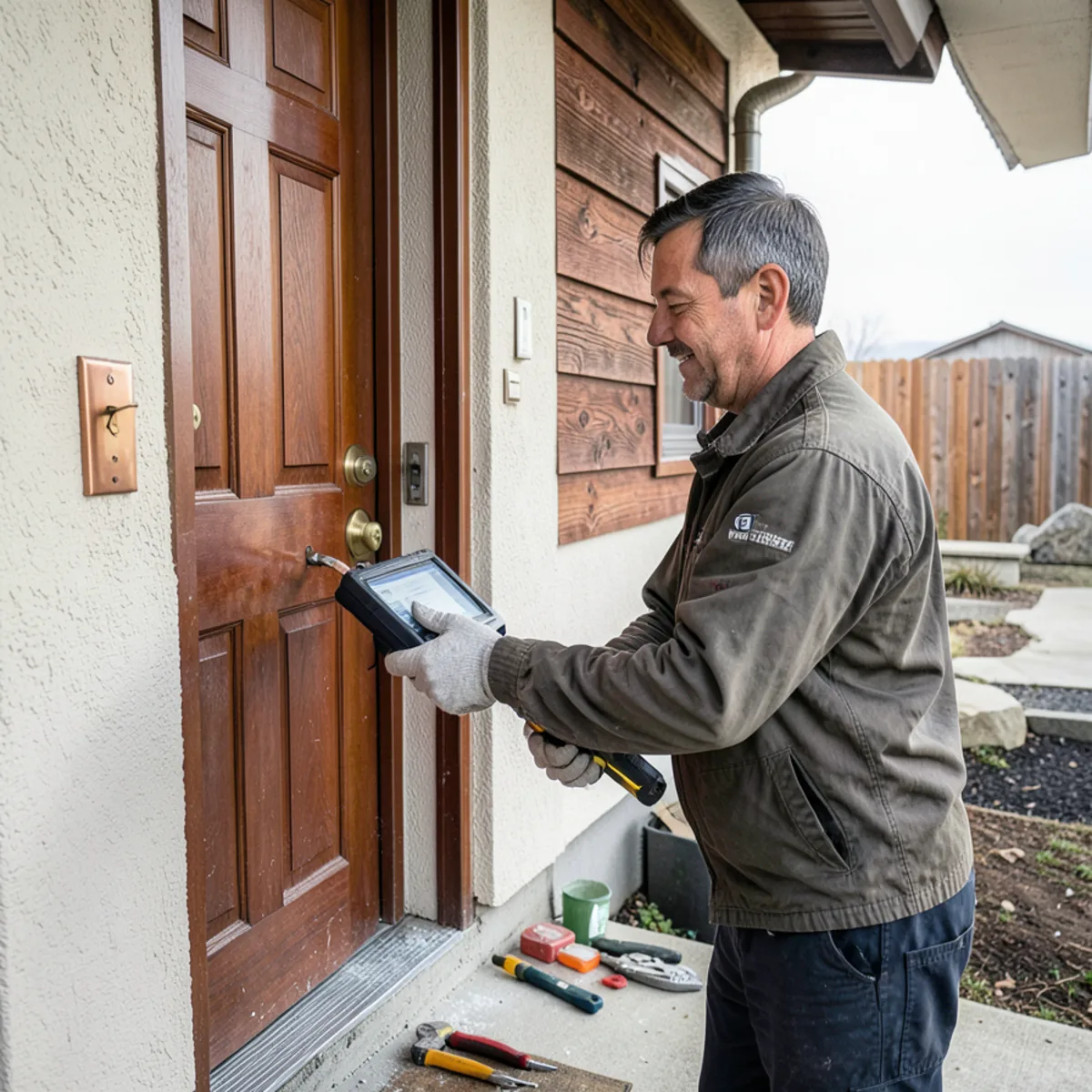
Relying on temporary emergency plugs is risky during prolonged California winter storms. Under California Plumbing Code (CPC) Section 710.1, any residential or commercial fixture installed with a flood level rim below the elevation of the upstream manhole cover on the public sewer must be protected by an approved backwater valve. Our plumbing team installs Clean Check exterior backwater valves inline on your private 4-inch sewer lateral. Positioned outside the building foundation with a dedicated ground-level access riser, the internal flapper gate allows normal household wastewater to flow freely out by gravity, but snaps shut instantly when municipal storm surcharges push backward, forming an impenetrable barrier against municipal sewer overflow. Clean Check installations performed by our Redwood City team include complete trench excavation, laser leveling to guarantee a 1/4-inch per foot slope, heavy-duty schedule 40 fittings, and inspection coordination with the Redwood City Building Division at 1017 Middlefield Road.
Key Takeaways
- California Plumbing Code Section 710.1 mandates backwater valves on low-rim fixtures
- Clean Check backwater assemblies installed on exterior private 4-inch lateral
- Balanced flapper gate closes automatically against reversing municipal surcharges
- Ground-level access riser enables annual inspection and flapper maintenance without digging
Post-Storm Remediation and Drainage Line Clearing Protocols
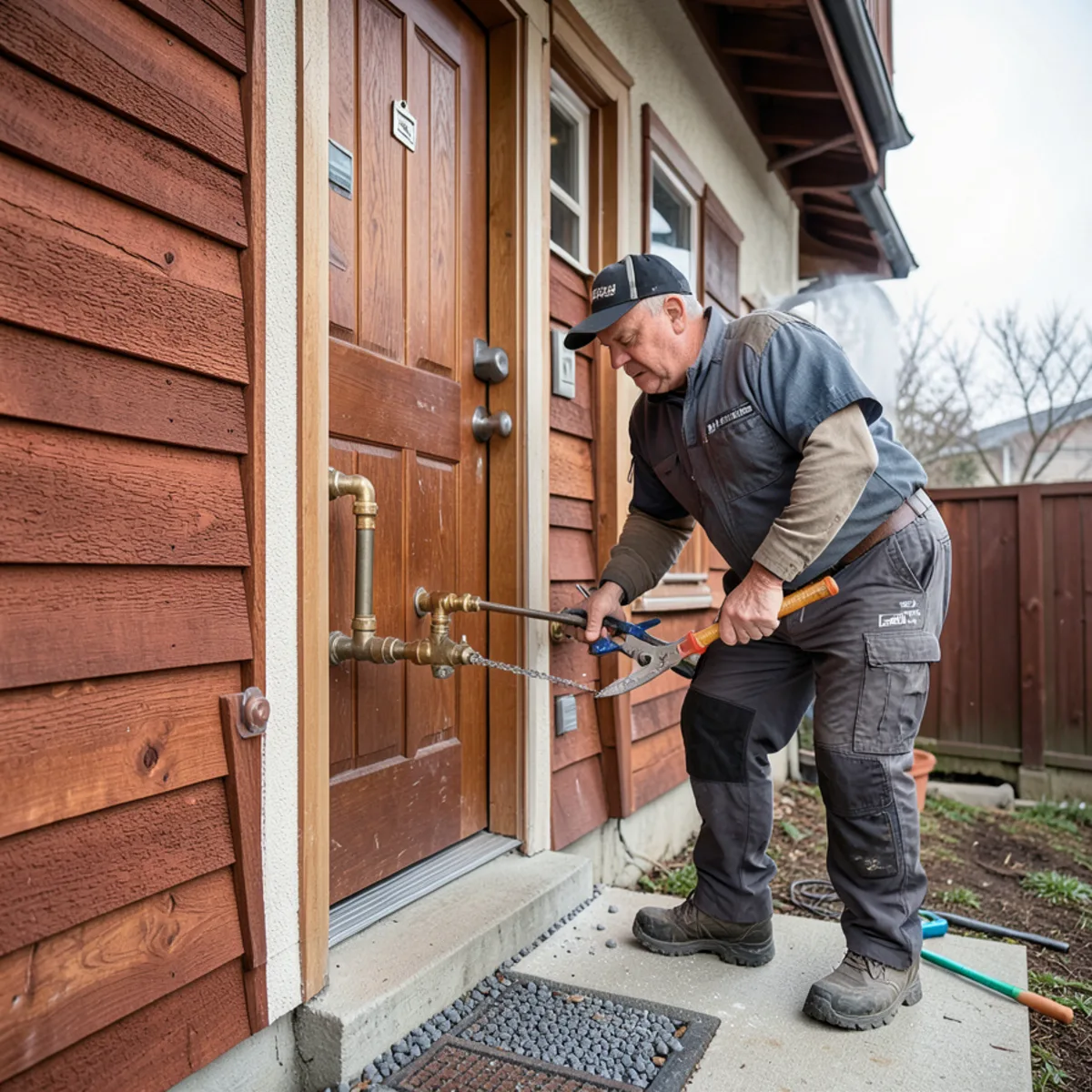
After floodwaters recede, the drainage system requires systematic evaluation before full household usage resumes. Floodwaters carry heavy silt, mud, tree debris, and biological contaminants into sewer laterals. Our technicians perform high-definition closed-circuit sewer camera inspections to confirm lateral pipe joints have not sheared under waterlogged soil movement. If sediment or mud has settled in horizontal runs, high-pressure hydro-jetting at 3,000 PSI clears the line to full diameter. Furthermore, any check valves, sump pits, and sewage ejector basins must be flushed with fresh water and treated with bio-enzymatic solutions to eliminate bacteria and prevent sewer gas seepage into living areas.
Key Takeaways
- HD sewer camera inspection identifies pipe shifting or joint separation from wet soils
- 3,000 PSI hydro-jetting scours settled silt, road sand, and mud from laterals
- Flush and sanitize sump basins, ejector pits, and mechanical check valves
- Confirm lateral venting operates cleanly without sewer gas backdrafting
Bayside Storm Plumbing Defense Protocol
| Defense System | Inspection Check | Risk If Neglected | Plumbing Solution |
|---|---|---|---|
| Primary Sump Pump | Test float switch with water | Basement/crawlspace flooding | Replace with 1/2 HP cast iron pump |
| Battery Backup System | Test battery charge with multimeter | Total failure during storm power outage | Install dual AGM battery inverter kit |
| Mainline Backwater Valve | Check flapper for debris buildup | Street sewage backs up into showers | Clean valve chamber and seal flapper |
| Crawlspace Vapor Barrier | Inspect seams and sump pit edges | Mold growth and framing moisture rot | Install 15-mil sealed vapor barrier |
Common Questions On This Topic
Frequently Asked Questions
Find clear answers to common questions about local plumbing codes, repairs, and our Redwood City service procedures.
Under California Plumbing Code Section 710.1, if the lowest plumbing fixture in your home (such as a shower drain, bathtub, or washing machine box) is lower in elevation than the nearest upstream sanitary sewer manhole cover in the street, a backwater valve is legally mandatory to prevent sewer backup.
Regulatory References & Standards
- • California Plumbing Code Section 710.0
- • City of Redwood City Stormwater Management Ordinance
Related Plumbing Services
Target Service Communities
Need professional assistance with this plumbing issue?
Our technicians dispatch daily from 1835 Valota Rd. Call now to speak directly with our Redwood City team.