
Septic care on the South Coast: what plumbers do and do not do
Rural properties in coastal San Mateo County, including La Honda and Pescadero, rely on private on-site septic tanks and drain fields for wastewater disposal. Pumping septic solids every 3 to 5 years, maintaining effluent outlet filters, and keeping heavy vehicles off leach fields protects coastal groundwater aquifers and prevents costly drain field failures.
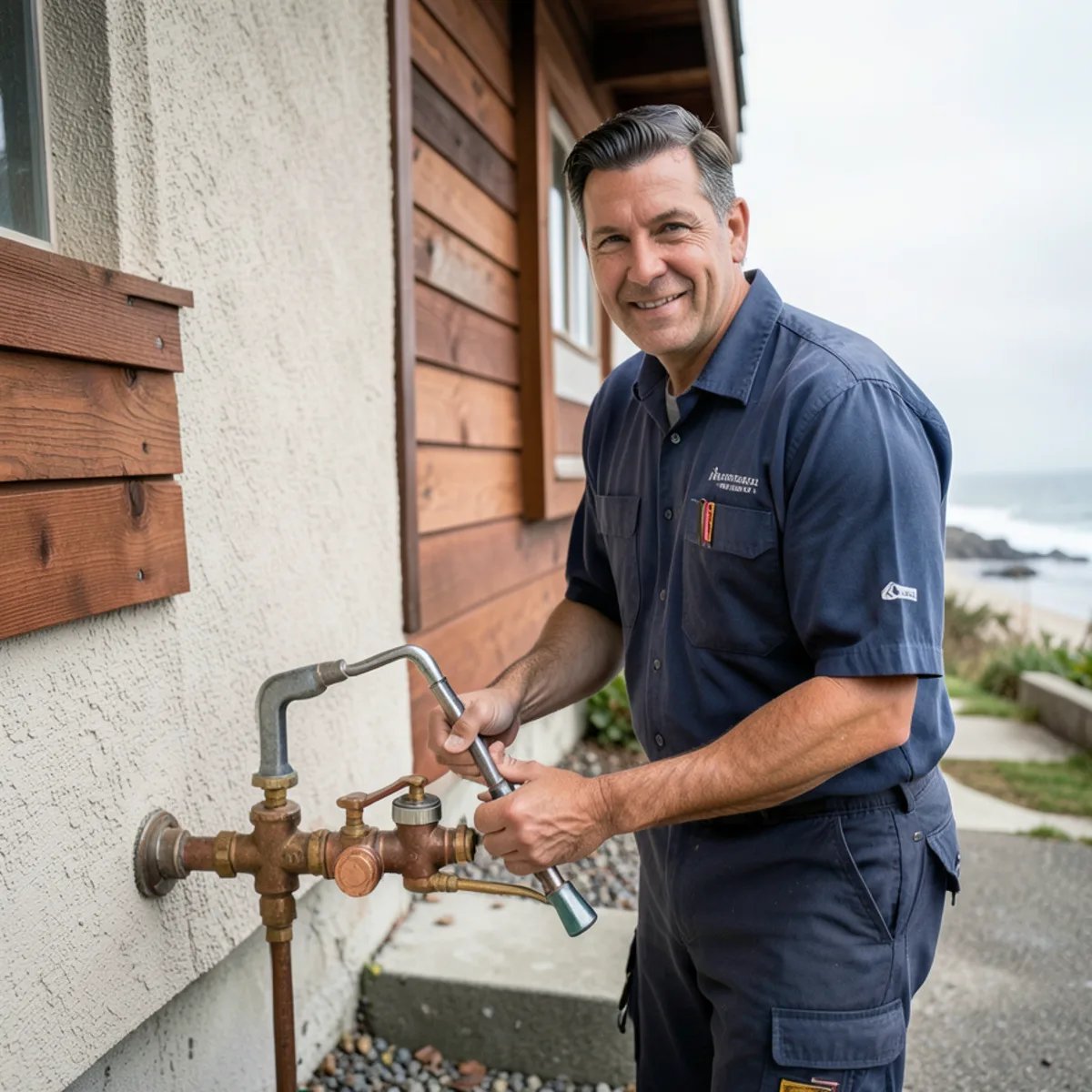
Table of Contents
- 1.Rural Mountain and Coastal Hydrology: Water Tables and Sandy Soils
- 2.Septic Tank Inspection, Baffle Integrity and Effluent Filtration
- 3.Leach Field Maintenance and Biomat Prevention
- 4.Winter Freeze Protection and Remote Gravity Water Infrastructure
- 5.Septic System Preventive Maintenance Protocol
- 6.Frequently Asked Questions
Rural Mountain and Coastal Hydrology: Water Tables and Sandy Soils
The rural South Coast of San Mateo County—spanning from the redwood forests of La Honda and Loma Mar down to the coastal farming valley of Pescadero—features hydrological conditions starkly different from urban Bayside communities. In mountain zones along Highway 84, properties sit on steep, forested terrain with high winter runoff and dense redwood tree root systems. Along the coastal plains of Pescadero, homes sit on sandy alluvial loam with high groundwater tables that fluctuate with ocean tides and seasonal creek flooding. Neither community possesses municipal sanitary sewer collection; every property depends entirely on an individual on-site wastewater treatment system (OWTS). Dense coastal fog along Highway 1 deposits fine salt air moisture on exterior plumbing hardware, accelerating atmospheric corrosion on exposed metal cleanouts and brass fittings.
Key Takeaways
- 100% reliant on private On-site Wastewater Treatment Systems (OWTS) and septic tanks
- La Honda features steep forested terrain, heavy winter rain, and redwood root intrusion
- Pescadero coastal plain features shallow groundwater tables and sandy alluvial soils
- Systems governed strictly by San Mateo County Environmental Health Division regulations
Septic Tank Inspection, Baffle Integrity and Effluent Filtration
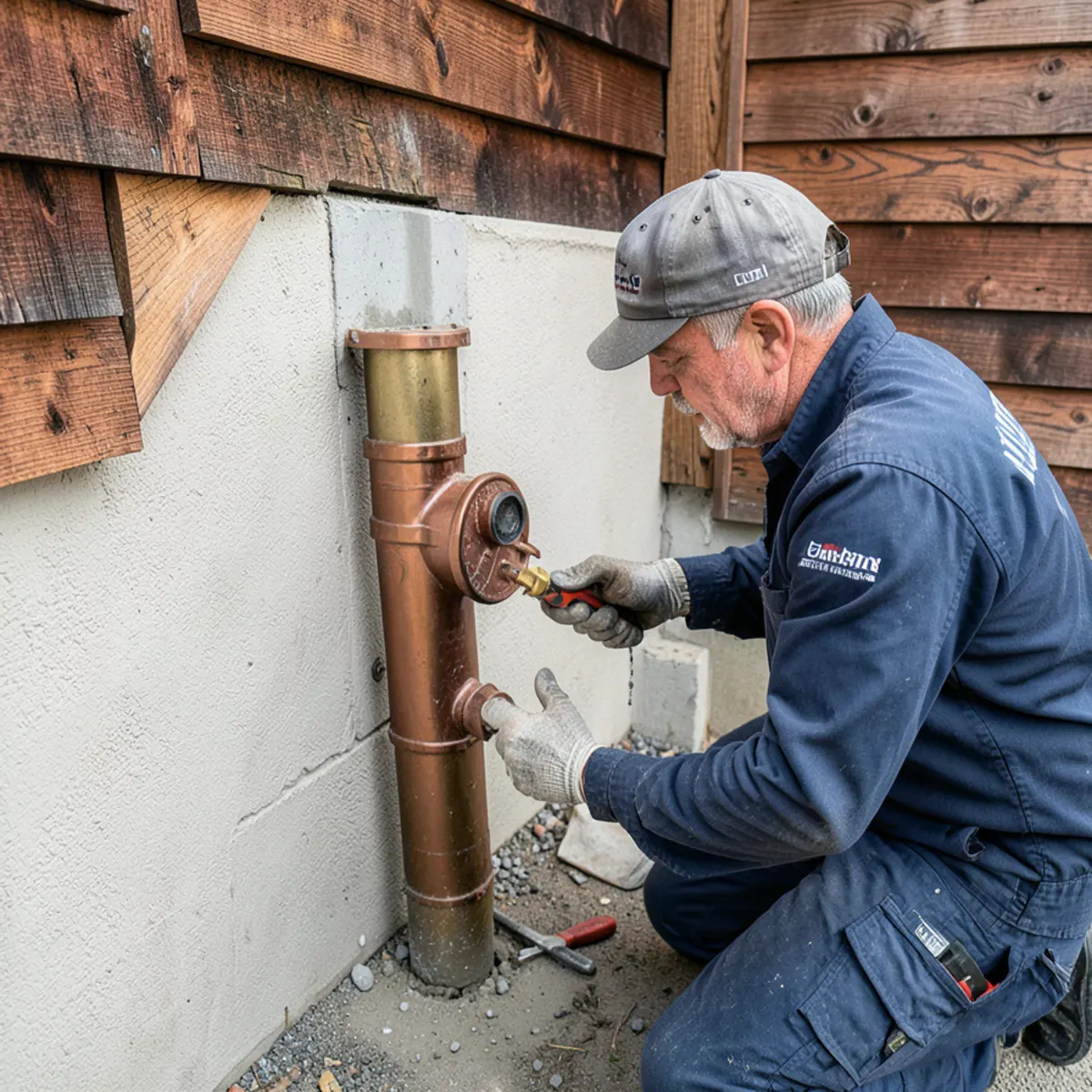
A healthy septic tank functions as a primary anaerobic settling chamber where solids settle to the bottom as sludge, oils float to the top as scum, and relatively clear liquid effluent discharges to the leach field. Proper maintenance begins with semi-annual inspections of the concrete or polyethylene septic tank. Technicians remove the access risers to measure scum and sludge layer thickness, verify that concrete or PVC inlet and outlet baffles are intact to prevent floating scum from escaping into the leach lines, and clean the reusable plastic effluent filter screen lodged in the outlet tee, which protects dispersal fields from clogging. Pumping the tank removes accumulated inorganic solids before they can migrate downstream into the drainfield trenches, protecting your property investment for decades.
Key Takeaways
- Measure scum and sludge accumulation layers using calibrated measuring sticks
- Verify concrete and PVC inlet and outlet baffles are intact to retain floating solids
- Clean and rinse the removable cylindrical effluent filter screen in the outlet tee
- Pump septic tank every 3 to 5 years per San Mateo County Environmental Health guidelines
Leach Field Maintenance and Biomat Prevention
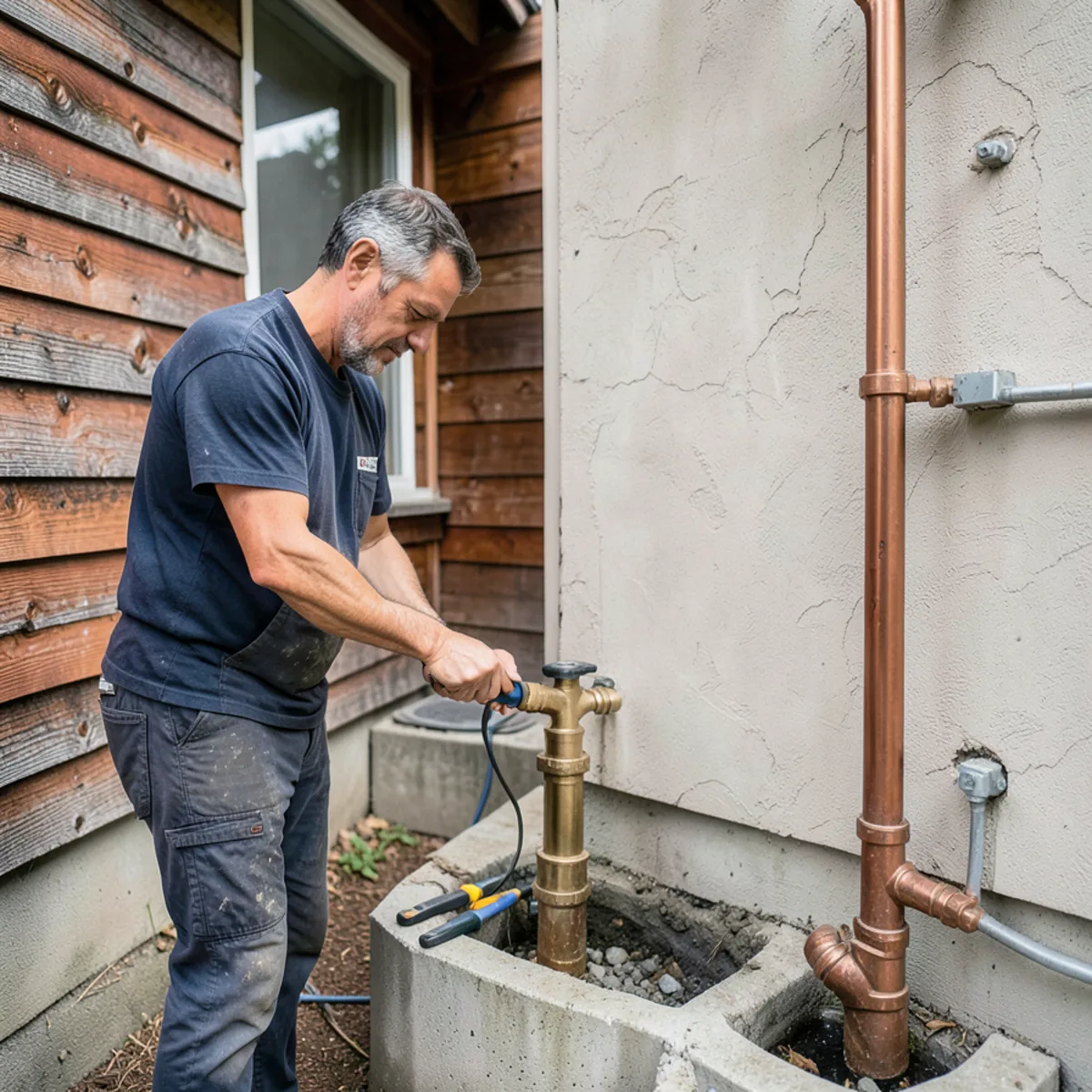
The soil absorption field (leach field or drainfield) is the most critical and expensive component of an on-site septic system. Liquid effluent flows through perforated underground pipes into gravel trenches, where naturally occurring aerobic soil microbes filter out pathogens and organic compounds. The primary failure mode on South Coast properties is biomat formation—a dense, waterproof layer of anaerobic bacteria and suspended solids that seals the soil pore space. Preventing biomat clogging requires water conservation, directing roof downspouts and surface runoff away from the leach field, and avoiding chemical additives, grease, and non-biodegradable wipes. Installing shallow diversion trenches upslope of the drainfield protects absorption trenches from being flooded by heavy winter hillside runoff.
Key Takeaways
- Aerobic soil microbes filter bacteria and neutralize pathogens in trench gravel
- Biomat formation occurs when solids overflow the tank, permanently sealing soil pores
- Divert roof gutters and surface driveway drainage away from the septic drainfield
- Never drive vehicles, park equipment, or construct structures over septic leach fields
Winter Freeze Protection and Remote Gravity Water Infrastructure
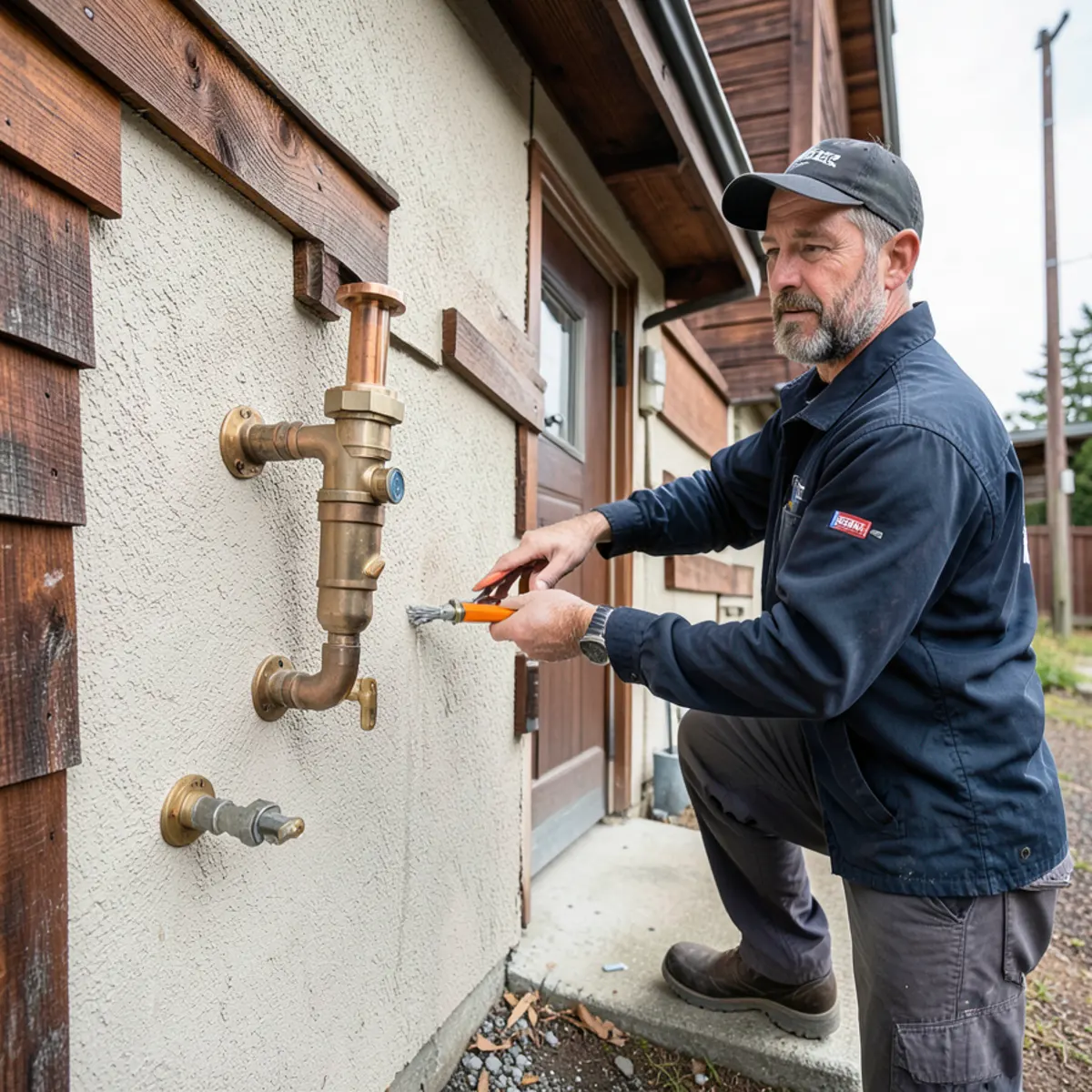
South Coast and mountain properties frequently experience winter temperatures dropping below freezing during clear December and January nights. In La Honda and Loma Mar, exposed above-ground water pipes, spring-fed gravity tanks, and exterior filtration housings are highly vulnerable to freezing and bursting. Plumbers install self-regulating electrical heat trace cables wrapped around exposed copper and PVC pipes, covered with closed-cell elastomeric foam insulation. For remote spring gravity systems, installing automated freeze drain valves and insulated equipment enclosures prevents sudden water loss during winter storms. Mountain property owners along the coastal range can rest easy during winter storms knowing their exposed water infrastructure is fully shielded from freezing temperatures.
Key Takeaways
- Winter mountain temperatures along Highway 84 frequently drop below 28 degrees Fahrenheit
- Exposed above-ground well heads, filters, and booster pumps must be winterized
- Self-regulating electric heat trace cables provide automated freeze protection
- Closed-cell foam insulation and weatherproof insulated hot boxes protect essential valves
Septic System Preventive Maintenance Protocol
| Maintenance Task | Recommended Frequency | Responsible Party | Primary Objective |
|---|---|---|---|
| Effluent Filter Rinse | Every 6 Months | Homeowner or Plumber | Stops solids from escaping to leach field |
| Tank Sludge Level Scoping | Every 2 Years | Licensed Septic Specialist | Measures sludge layer depth against capacity |
| Professional Tank Pumping | Every 3 to 5 Years | Certified Septic Pumper | Removes accumulated bottom sludge and grease |
| Drain Field Moisture Check | Monthly during winter | Homeowner inspection | Checks for standing effluent or soggy turf |
Common Questions On This Topic
Frequently Asked Questions
Find clear answers to common questions about local plumbing codes, repairs, and our Redwood City service procedures.
Under San Mateo County Environmental Health guidelines, a residential septic tank should be pumped every 3 to 5 years for a typical family of three to four. Homes with garbage disposals or high water usage should be inspected and pumped every 2 to 3 years.
Regulatory References & Standards
- • San Mateo County Environmental Health Septic Regulations
- • California Plumbing Code Appendix H
Related Plumbing Services
Target Service Communities
Need professional assistance with this plumbing issue?
Our technicians dispatch daily from 1835 Valota Rd. Call now to speak directly with our Redwood City team.