
Plumbing on bay fill: settlement, slabs and pipes in Redwood Shores
Homes built on bay fill and reclaimed mudflats in Redwood Shores experience ongoing ground settling and marine clay expansion that place continuous shear stress on under-slab copper pipes and sewer laterals. When sub-slab pipes develop friction pinhole leaks, overhead PEX-A ceiling rerouting provides a permanent bypass without concrete slab demolition.
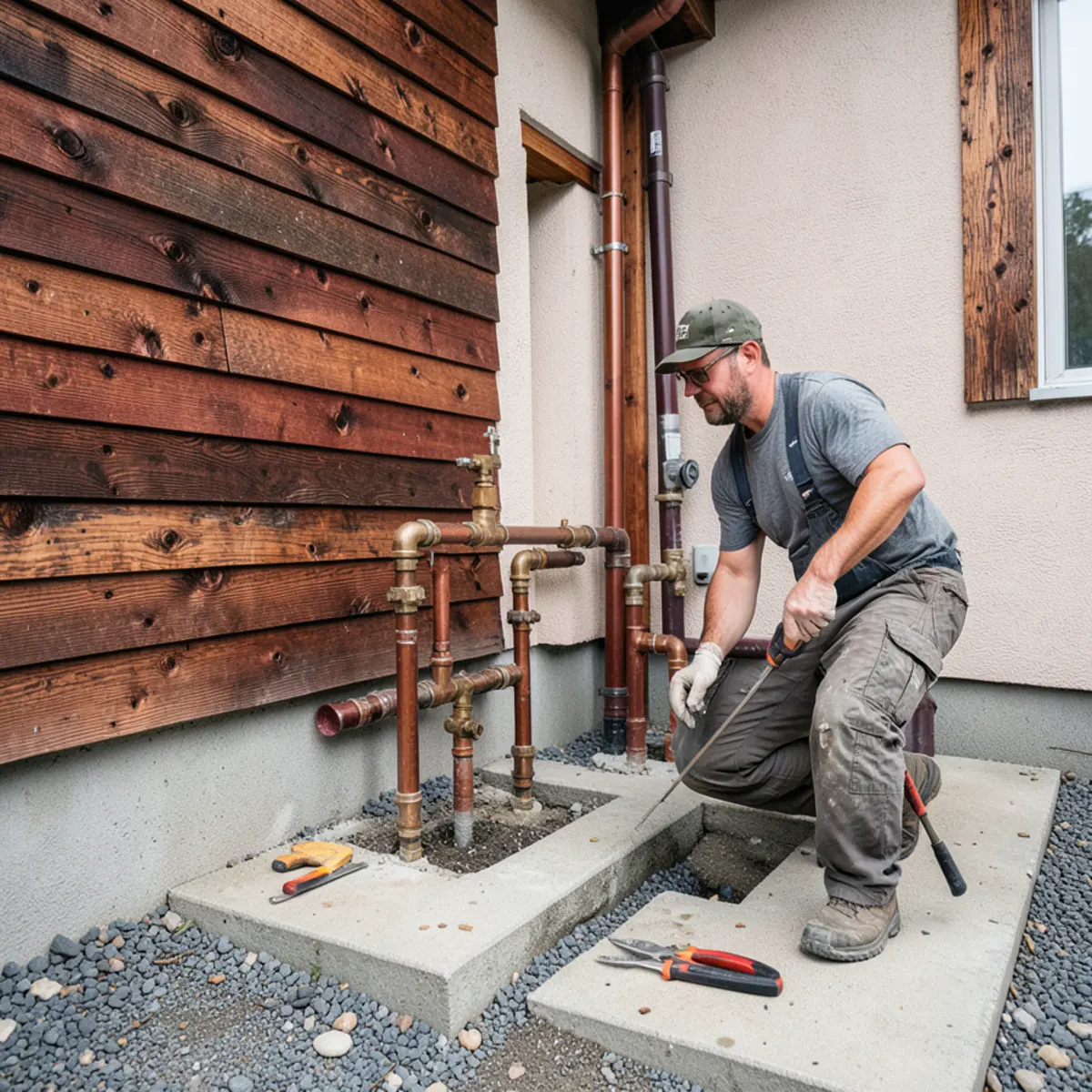
Table of Contents
- 1.Geotechnical Realities: Bay Mud, Differential Settling and Soil Creep
- 2.Post-Tensioned Slab Foundations and Slab Leak Rerouting
- 3.Sewer Lateral Shear and Flexible Elastomeric Couplings
- 4.High Groundwater, Sump Pump Systems and Backwater Protection
- 5.Redwood Shores Plumbing Soil & Material Vulnerabilities
- 6.Frequently Asked Questions
Geotechnical Realities: Bay Mud, Differential Settling and Soil Creep
Redwood Shores is an upscale master-planned community constructed on reclaimed tidal salt marsh and hydraulic fill along the margins of San Francisco Bay. Beneath the engineered gravel and sand fill lies a deep stratum of saturated, compressible marine clay known geologically as 'Young Bay Mud'. Over decades, this underlying mud layer undergoes gradual consolidation, causing differential soil settling across residential parcels. While homes themselves rest on deep concrete grade beams or post-tensioned structural slabs, the surrounding soil settles at a different rate, placing tremendous shear stress on underground water, gas, and sewer lateral pipes where they exit the rigid foundation.
Key Takeaways
- Constructed on engineered fill overlying deep compressible Young Bay Mud strata
- Differential settling occurs between rigid home foundations and surrounding yard soils
- Severe shear stresses develop where underground plumbing penetrates concrete footings
- Requires specialized flexible pipe couplings and seismic expansion fittings
Post-Tensioned Slab Foundations and Slab Leak Rerouting
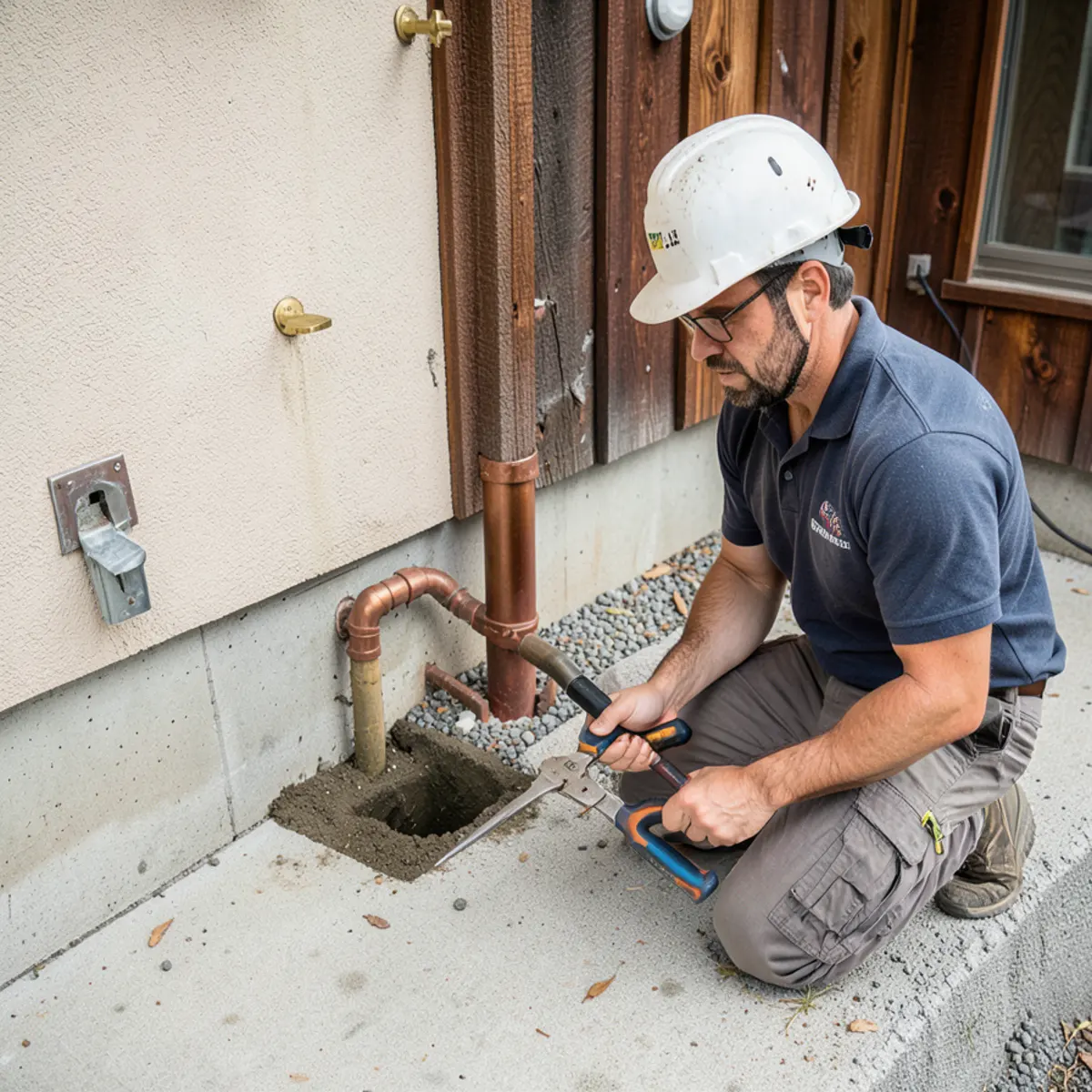
Most single-family homes in Redwood Shores are built on post-tensioned concrete slab foundations. These slabs contain high-strength steel cables stretched under thousands of pounds of tension within plastic sheaths. Under California building codes, jackhammering or core drilling into a post-tensioned slab is strictly prohibited without specialized Ground Penetrating Radar (GPR) scanning; severing an energized tendon can cause the cable to whip violently through the concrete, compromising structural integrity and threatening life safety. When an under-slab hot water copper line develops a pinhole leak, plumbers do not break the slab; instead, we abandon the leaking underground pipe and perform an overhead bypass repipe using flexible Uponor PEX-a routed through attic raceways. Homeowners and property managers across Redwood City and neighboring communities can schedule on-site evaluations with our licensed team to inspect existing manifolds, test static line pressures, and verify code compliance under local municipal ordinances. Overhead PEX-a installations utilize specialized acoustic pipe clamps to eliminate water flow vibrations along ceiling framing.
Key Takeaways
- Post-tensioned concrete slabs contain high-tension steel cables that must never be severed
- Jackhammering into post-tensioned foundations is dangerous and prohibited without GPR scanning
- Under-slab copper pipe leaks are resolved via overhead Uponor PEX-a reroutes through attics
- Preserves foundation structural integrity and prevents invasive concrete demolition
Sewer Lateral Shear and Flexible Elastomeric Couplings
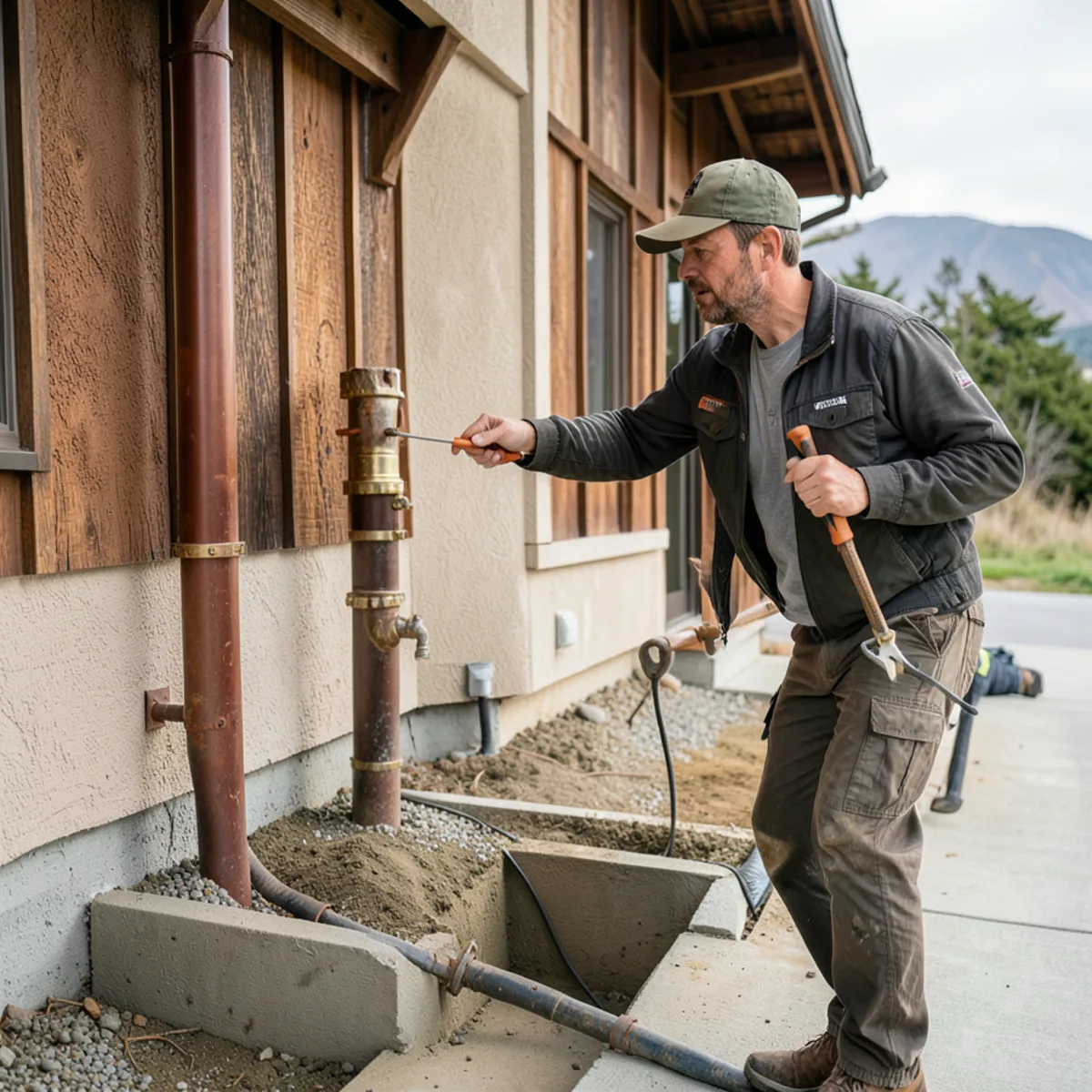
The most common plumbing emergency in Redwood Shores is sewer lateral shearing at the foundation perimeter. As the exterior yard soil consolidates and drops, it pulls downward on the 4-inch ABS sewer lateral. Because the pipe is cast rigidly into the concrete grade beam, this downward bending moment cracks the plastic pipe immediately outside the foundation wall, allowing sewage to saturate the soil and inviting aggressive tree roots. Correcting this failure requires excavating the foundation transition, installing heavy-duty flexible elastomeric sleeve couplings (such as Fernco Strong Back shielded couplings) that accommodate soil movement, and backfilling with crushed gravel bedding.
Key Takeaways
- Consolidating soil pulls downward on exterior sewer laterals, shearing pipe at foundation wall
- Sheared joints create subterranean sewage leaks and allow root infiltration
- Shielded elastomeric transition couplings absorb soil movement without cracking
- Crushed rock bedding stabilizes sewer lateral gradients in shifting bayside soils
High Groundwater, Sump Pump Systems and Backwater Protection
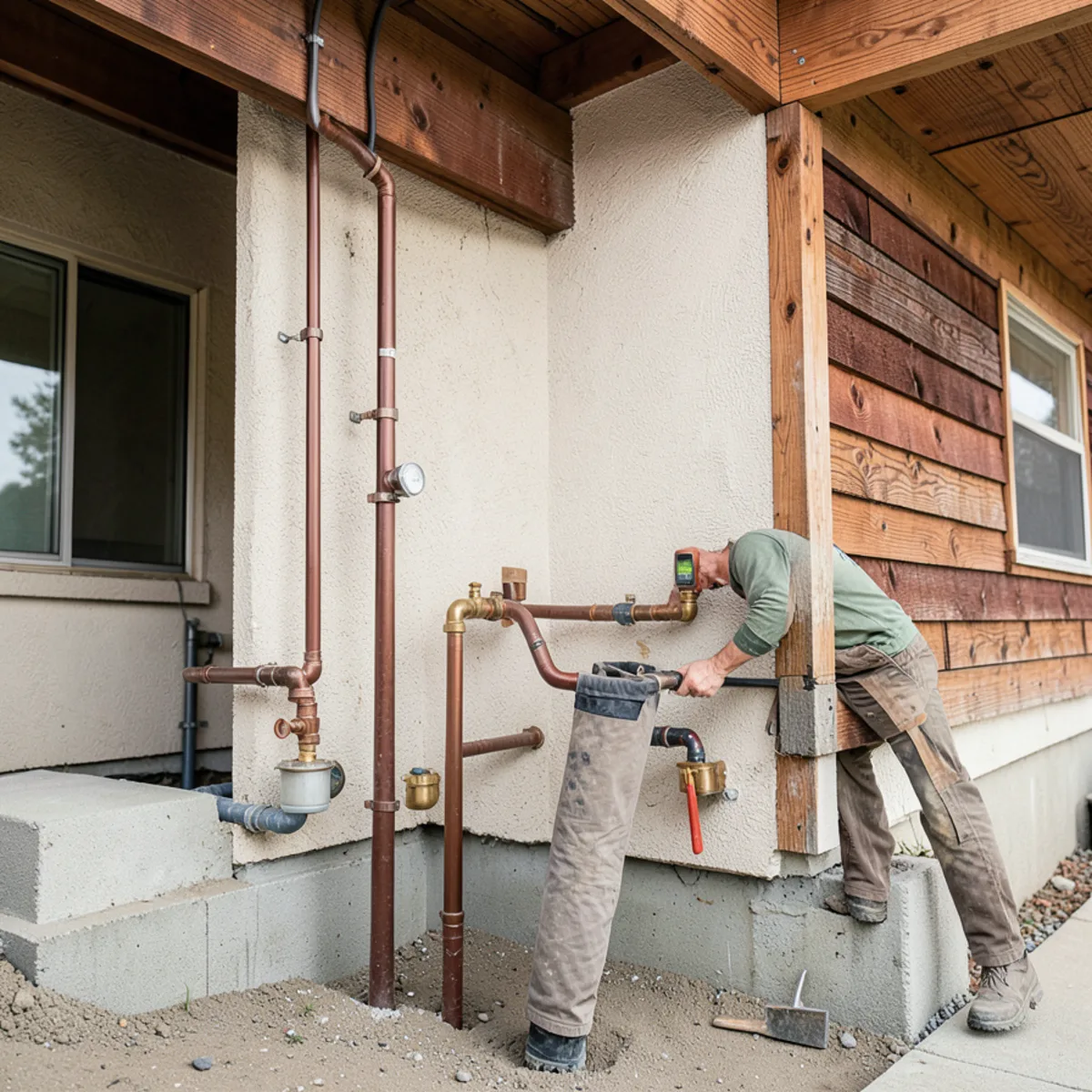
Groundwater in Redwood Shores sits mere feet below finished grade and rises and falls with San Francisco Bay tidal cycles. During winter king tides, saturated ground conditions place intense hydrostatic pressure against below-grade utility trenches and crawl spaces. Homes equipped with crawl spaces or sunken living rooms rely on continuous submersible sump pump systems to evacuate groundwater. Because storm and sanitary sewer lines in the street operate under surcharge during tidal events, installing California Plumbing Code Section 710.1 approved exterior backwater valves is essential to prevent municipal backflow into low ground-floor bathroom fixtures. Every major plumbing repair, repipe, and heating modification performed by our technicians is backed by our comprehensive warranty and coordinated directly with the Redwood City Building Division at 1017 Middlefield Road or local county planning offices.
Key Takeaways
- Shallow saline groundwater fluctuates with San Francisco Bay astronomical tidal cycles
- High hydrostatic water tables require heavy-duty cast iron submersible sump pumps
- California Plumbing Code Section 710.1 mandates backwater valves on low-rim fixtures
- Clean Check flapper valves prevent municipal storm surcharges from entering home drains
Redwood Shores Plumbing Soil & Material Vulnerabilities
| Infrastructure Element | Bay-Fill Vulnerability | Failure Mode | Recommended Solution |
|---|---|---|---|
| Under-slab copper supply | Soil settlement friction against aggregate | Sub-slab pinhole leaks | Overhead Uponor PEX-A reroute |
| Private sewer lateral | Ground shear near foundation perimeter | Separated or sheared joints | Trenchless CIPP relining or HDPE burst |
| Sump pump system | High water table & saltwater intrusion | Premature motor corrosion | Submersible cast iron pump + 12V backup |
| Irrigation connections | Dual recycled water cross-connection | Contamination risk | Annual RPZ backflow testing |
Common Questions On This Topic
Frequently Asked Questions
Find clear answers to common questions about local plumbing codes, repairs, and our Redwood City service procedures.
No. Homes in Redwood Shores are constructed on post-tensioned slabs embedded with high-tension steel cables. Cutting or jackhammering into the concrete risks striking a tendon, which can cause catastrophic foundation failure. Professional plumbers always recommend overhead PEX-a rerouting rather than slab penetration.
Regulatory References & Standards
- • California Plumbing Code Section 609.3
- • City of Redwood City Recycled Water Standards
Need professional assistance with this plumbing issue?
Our technicians dispatch daily from 1835 Valota Rd. Call now to speak directly with our Redwood City team.