
Waiting forever for hot water? How recirculation pumps work
Hot water recirculation pumps eliminate the long morning wait for hot water by circulating water through a dedicated return line or an under-sink thermal bypass valve. Under California Title 24 energy standards, systems must be controlled by timers, aquastats, or on-demand push buttons to prevent continuous heat loss.
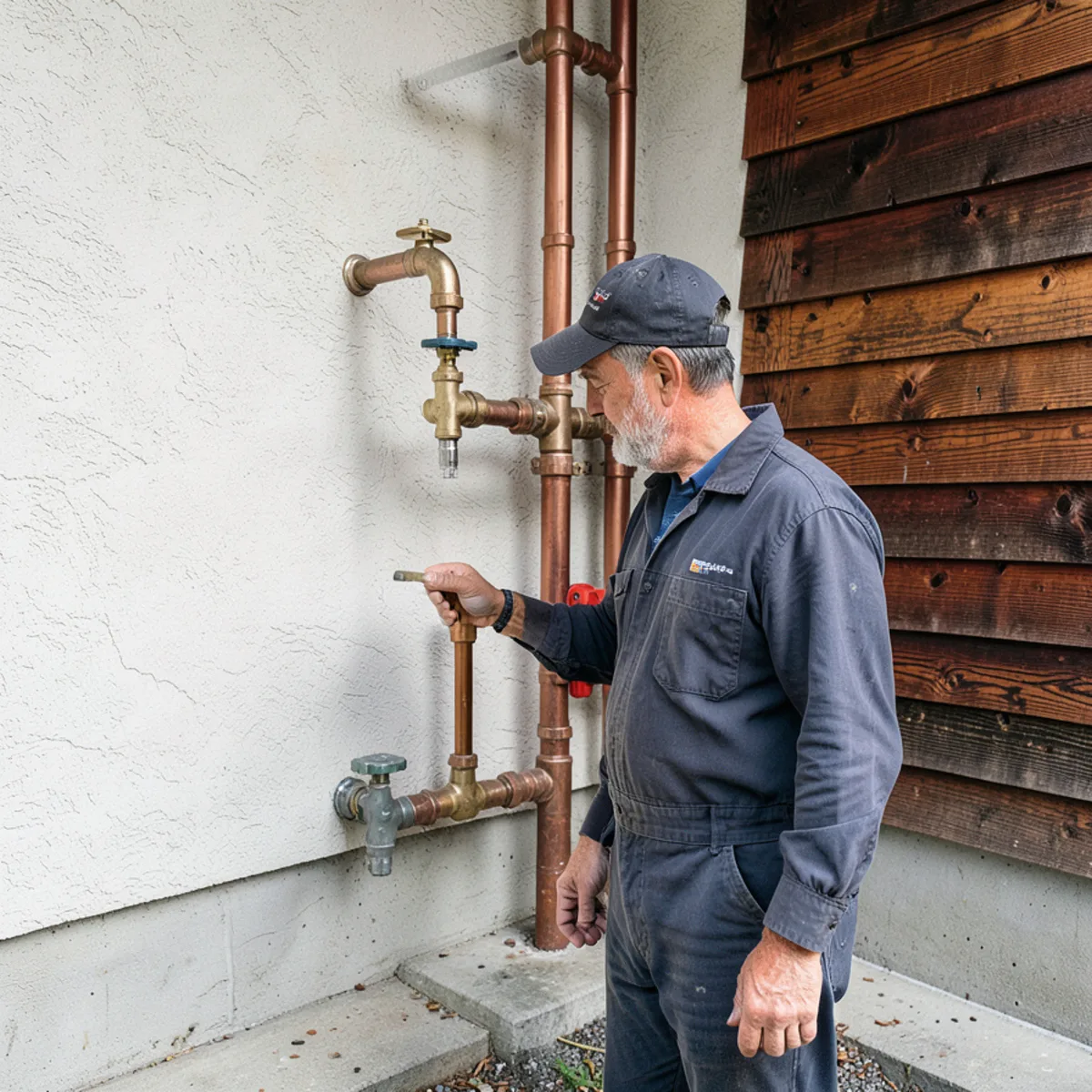
Table of Contents
- 1.The Physics of Thermal Delay: Waiting for Hot Water at Distant Taps
- 2.Dedicated Return Line Loops vs Under-Sink Thermostatic Bypass Valves
- 3.Smart Control Strategies and Title 24 Compliance Mandates
- 4.Sizing Pumps and Preventing Velocity Erosion in Copper Tubing
- 5.Recirculation System Architecture Comparison
- 6.Frequently Asked Questions
The Physics of Thermal Delay: Waiting for Hot Water at Distant Taps
Homeowners in sprawling Peninsula homes frequently experience frustrating delays waiting for hot water to reach master bathroom suites or kitchen sinks. This thermal lag occurs because hot water sitting idle in uninsulated copper pipes cools down to room temperature between uses. In homes with 80 to 120 feet of plumbing separation between the water heater and master bath, clearing this slug of cooled water requires running the tap for two to three minutes. This process wastes three to five gallons of treated municipal water per shower—totaling over 12,000 gallons of wasted water annually per household—while driving up municipal water and sewer utility bills in Redwood City.
Key Takeaways
- Thermal delay caused by standing water cooling inside uninsulated copper distribution pipes
- Long plumbing runs (80 to 120 feet) require running taps for two to three minutes
- Wastes 3 to 5 gallons of drinking water per shower event (over 12,000 gallons annually)
- Increases monthly municipal water and sewer utility costs across San Mateo County
Dedicated Return Line Loops vs Under-Sink Thermostatic Bypass Valves
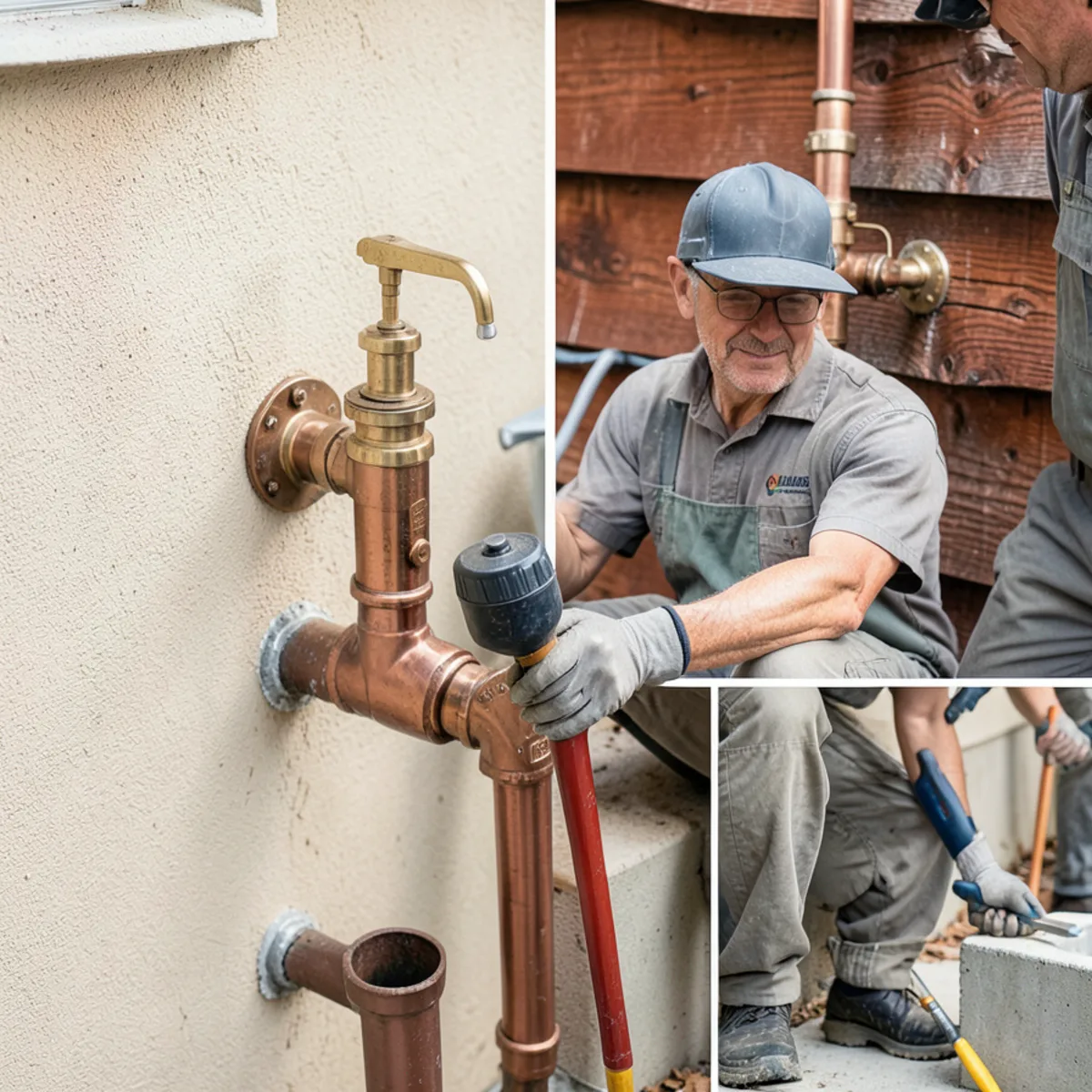
Hot water recirculation systems operate using two distinct engineering methodologies. In new construction or homes with dedicated return plumbing, a third copper pipe runs from the furthest bathroom directly back to the cold inlet of the water heater. A circulator pump (such as a Taco 006e or Grundfos UP15) moves water through this dedicated loop continuously or on demand. In existing homes without a dedicated return line, plumbers install an under-sink thermostatic bypass valve (such as the Grundfos Comfort System) under the furthest vanity. This thermal actuator valve temporarily diverts cooled hot water into the existing cold water line, using it as a return path until hot water arrives, eliminating the need to tear open finished walls. Homeowners and property managers across Redwood City and neighboring communities can schedule on-site evaluations with our licensed team to inspect existing manifolds, test static line pressures, and verify code compliance under local municipal ordinances.
Key Takeaways
- Dedicated return loop utilizes third copper pipe for direct recirculation back to heater
- Under-sink bypass valve diverts cooled hot water into cold line without opening walls
- Thermostatic sensor valve closes automatically when water reaches 100 degrees Fahrenheit
- Retrofit systems install cleanly beneath existing master bathroom sink vanities
Smart Control Strategies and Title 24 Compliance Mandates
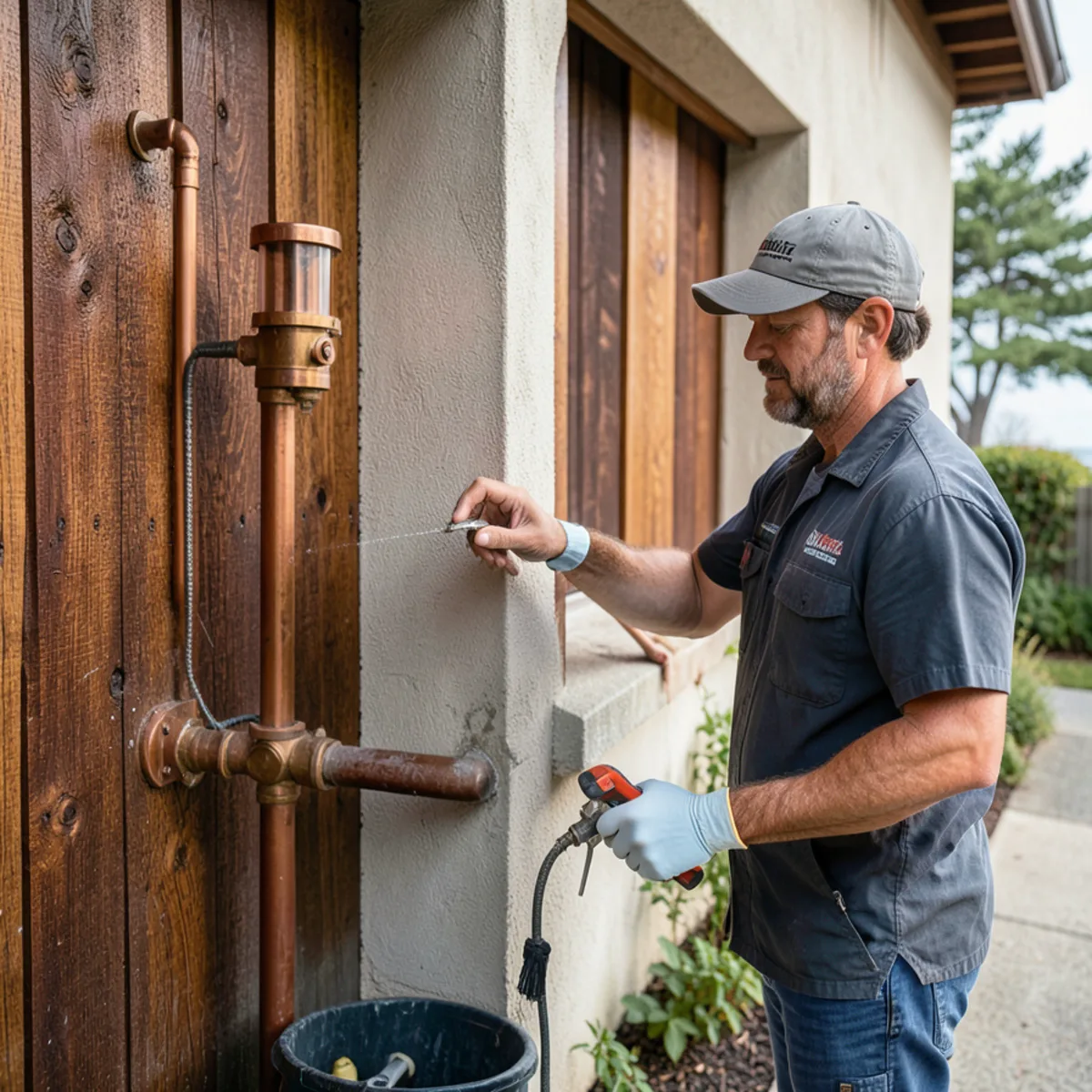
Running a recirculation pump continuously 24 hours a day wastes substantial natural gas and electricity, radiating heat into crawl spaces. Under California Energy Code Title 24 Section 110.3, continuously running recirculation pumps without controls are prohibited on new residential installations. Modern systems must incorporate intelligent control strategies. These include digital programmable timers aligned with household morning and evening schedules, smart thermostatic aquastats that shut off the pump when loop water is hot, hardwired momentary push-buttons, or motion occupancy sensors that activate the pump only when someone enters the bathroom.
Key Takeaways
- Title 24 Section 110.3 prohibits continuous uncontrolled recirculation pump operation
- Programmable 7-day timers align circulation cycles with peak household morning routines
- Smart thermostatic aquastats shut off pump motor when loop temperature hits 105°F
- On-demand push-buttons and motion sensors deliver hot water in under 30 seconds
Sizing Pumps and Preventing Velocity Erosion in Copper Tubing
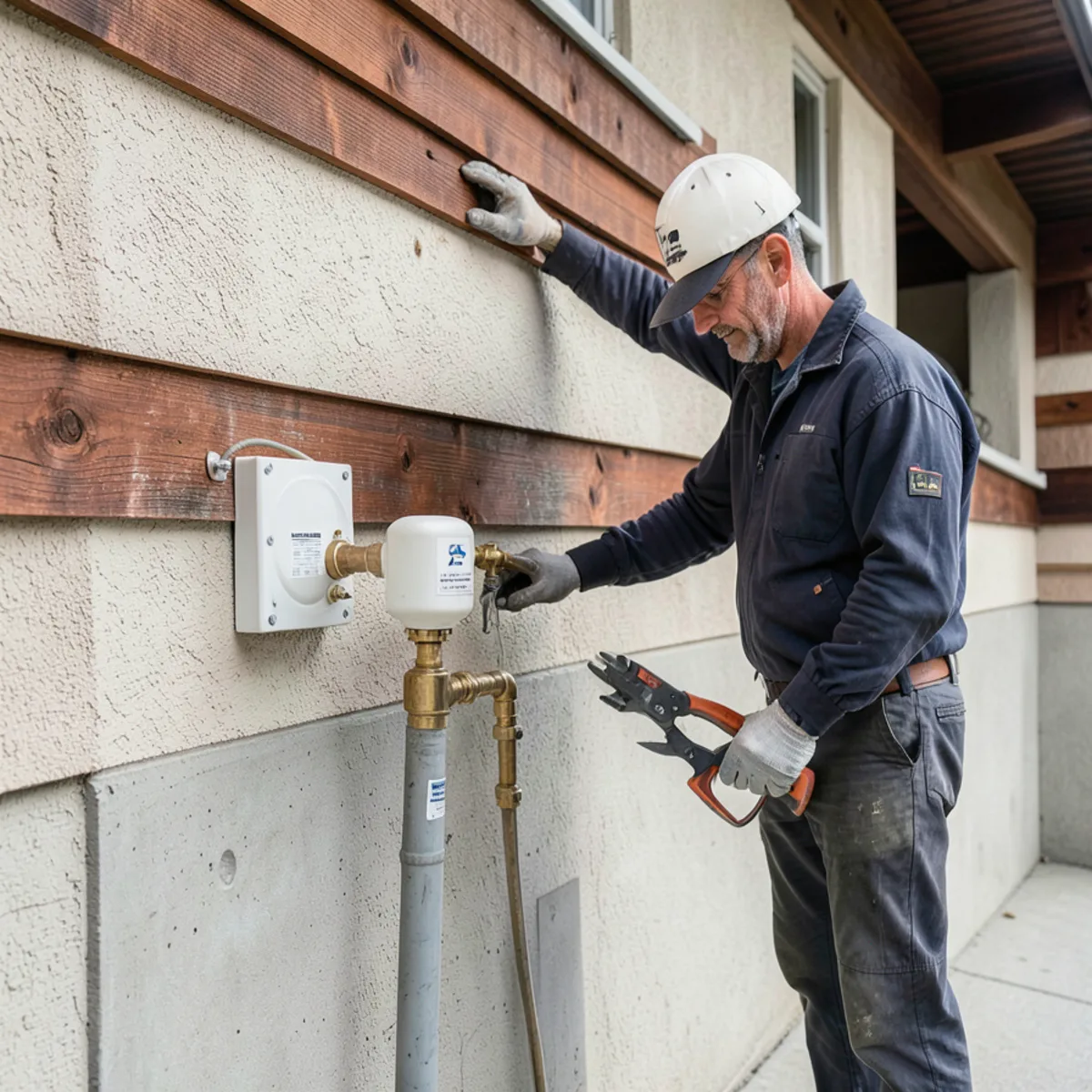
Selecting the proper circulator pump requires careful hydraulic engineering to prevent premature pipe destruction. Many inexperienced contractors install oversized, high-head pumps that circulate water too rapidly. Under California Plumbing Code Section 609.1, hot water velocity in copper tubing must not exceed 4 to 5 feet per second. When hot water circulates continuously at excessive velocity, microscopic turbulence scours the protective copper oxide patina from the inner pipe wall, causing erosion corrosion and catastrophic pinhole leaks, particularly at 90-degree elbows. Our licensed plumbers calculate total equivalent pipe length and install low-wattage, variable-speed ECM pumps that provide gentle circulation without pipe degradation. Every major plumbing repair, repipe, and heating modification performed by our technicians is backed by our comprehensive warranty and coordinated directly with the Redwood City Building Division at 1017 Middlefield Road or local county planning offices.
Key Takeaways
- CPC Section 609.1 restricts hot water flow velocity in copper to 4–5 feet per second
- Excessive circulation velocity scours internal copper oxide patina, causing pinhole leaks
- Variable-speed ECM circulator pumps consume less than 15 watts of electrical power
- Properly sized low-flow pumps preserve pipe integrity and provide instant hot water
Recirculation System Architecture Comparison
| Feature | Dedicated Return Line | Under-Sink Thermal Bypass |
|---|---|---|
| Piping Requirement | Separate return line to water heater | Existing domestic cold water line |
| Installation Complexity | Moderate (requires return line access) | Simple (installs under vanity cabinet) |
| Cold Line Temperature | Completely unaffected | Brief 2-second lukewarm burst at tap |
| Title 24 Compliance | Requires aquastat or smart timer | Built-in thermal switch satisfies code |
Common Questions On This Topic
Frequently Asked Questions
Find clear answers to common questions about local plumbing codes, repairs, and our Redwood City service procedures.
Yes, but it requires specific engineering. Many modern tankless units (such as Navien NPE-A2 or Rinnai RSC) feature internal recirculation pumps and small buffer tanks engineered for this purpose. If adding an external pump to a standard tankless unit, an external buffer tank or specialized flow control is required to prevent burner short-cycling.
Regulatory References & Standards
- • 2022 California Energy Code (Title 24) Section 110.3
- • California Plumbing Code Section 609.0
Need professional assistance with this plumbing issue?
Our technicians dispatch daily from 1835 Valota Rd. Call now to speak directly with our Redwood City team.