
Can not find your sewer cleanout? Why it matters and what to do
Exterior sewer cleanouts provide direct ground-level access for drain snaking, hydro-jetting, and sewer camera scoping without bringing dirty cables inside your home. In Redwood City, locating the 4-inch black ABS or white PVC cleanout plug near your front foundation wall ensures rapid clearing during sewer emergencies.
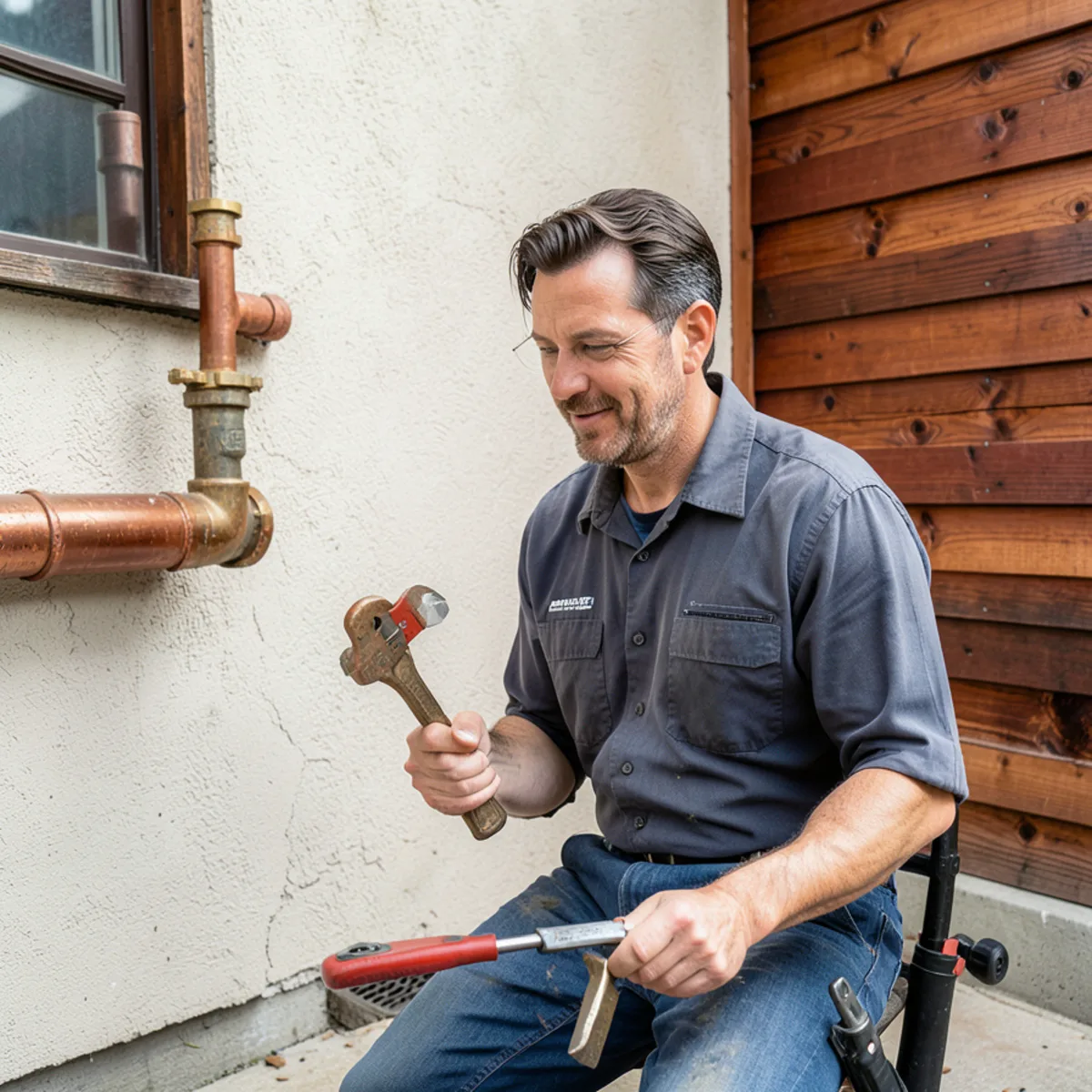
Table of Contents
- 1.Locating Your Exterior Sewer Cleanout: Standard Property Placements
- 2.Uncovering Buried Cleanouts: Probing and Metal Detection Techniques
- 3.Installing a Two-Way Cleanout: Redwood City Code and Operational Advantages
- 4.Property-Line Cleanouts and Municipal Boundary Responsibilities
- 5.Sewer Cleanout Access Methods Comparison
- 6.Frequently Asked Questions
Locating Your Exterior Sewer Cleanout: Standard Property Placements
An exterior sewer cleanout is the designated access portal allowing plumbers to clear blockages, perform high-definition camera inspections, and conduct hydro-jetting without bringing dirty equipment through your living room. In Redwood City residential construction, cleanouts are typically positioned within three to five feet of the exterior foundation wall, directly aligned with the primary indoor bathroom group. On properties built between 1940 and 1975, the cleanout often consists of a 3-inch or 4-inch cast iron pipe terminating at ground level with a raised square brass plug. In homes updated since 1980, white or green schedule 40 ABS or PVC plastic risers with threaded countersunk plugs are standard. Maintaining unobstructed physical access to these cleanouts ensures that emergency response crews dispatched from our Valota Road facility can set up sewer inspection reels and mechanical augers immediately without landscape destruction.
Key Takeaways
- Located within three to five feet of foundation wall near main bathroom group
- Older installations feature 4-inch cast iron pipe with square raised brass plug
- Modern systems utilize schedule 40 ABS or PVC plastic risers with threaded caps
- Ground-level placement allows direct machine access without entering living quarters
Uncovering Buried Cleanouts: Probing and Metal Detection Techniques
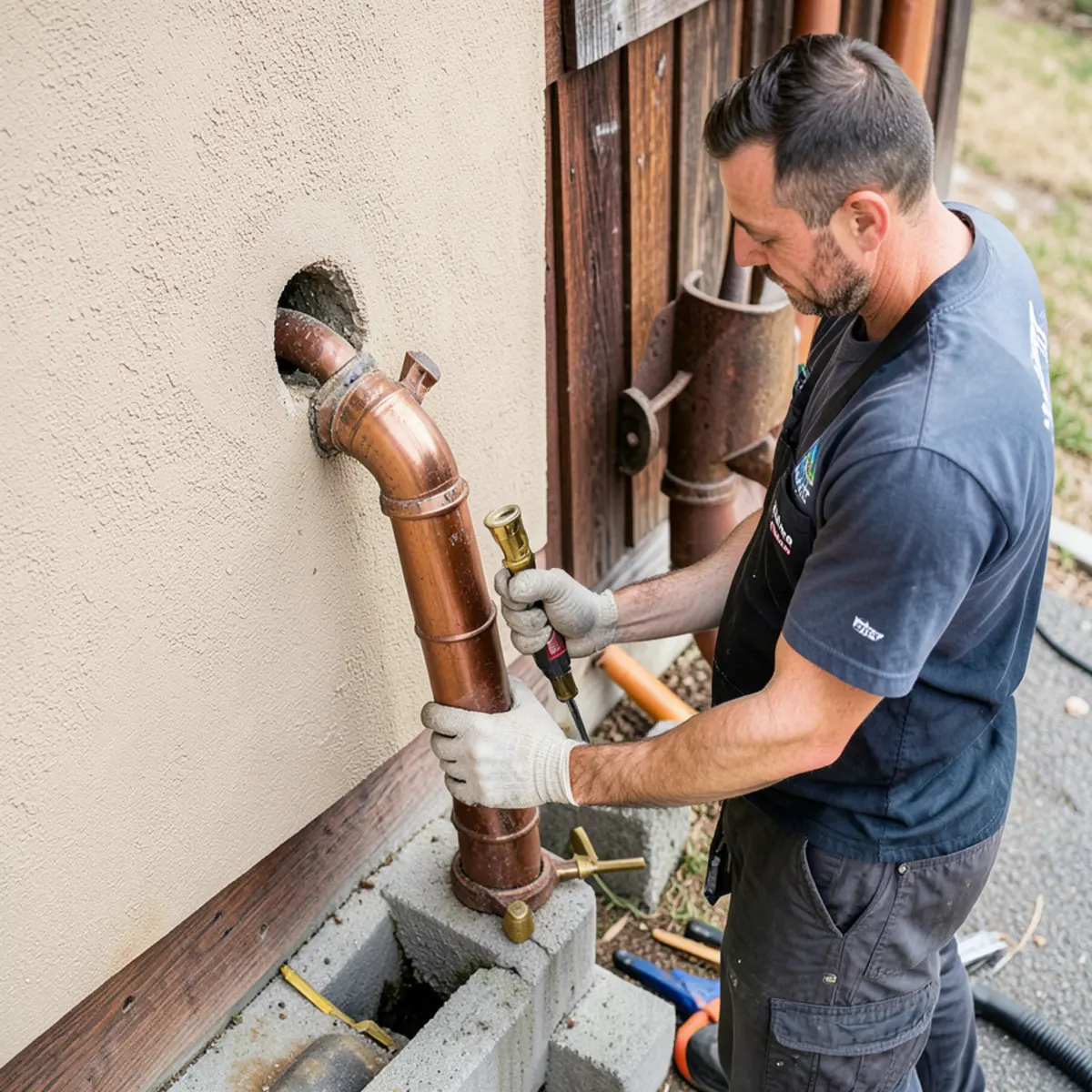
Over decades of landscape modifications, decorative bark additions, and concrete patio pours, exterior cleanouts are frequently buried beneath several inches to feet of soil. Finding a buried cleanout begins by tracing the exit trajectory of your indoor waste stack where it penetrates the foundation footing or mudsill. Technicians use non-destructive fiberglass soil probes to gently test the soil in a grid pattern. If the cleanout cap is brass or cast iron, high-sensitivity metal detectors locate the ferrous metal signature beneath turf, concrete pavers, or mulch beds, avoiding costly exploratory digging. Once uncovered, installing a protective concrete valve box with a cast iron lid flush with grade preserves access for future routine maintenance while preventing landscape overgrowth from re-burying the fitting. Homeowners should note that experienced local plumbers dispatched from Valota Road carry precision diagnostic testing instruments to verify code compliance before finalizing the service scope.
Key Takeaways
- Trace main indoor waste stack through foundation to predict exterior alignment
- Use non-destructive fiberglass soil probes to feel for subsurface metal or plastic caps
- Employ pulse-induction metal detectors to identify buried brass and cast iron cleanout plugs
- Avoid damaging irrigation piping and electrical conduits during excavation
Installing a Two-Way Cleanout: Redwood City Code and Operational Advantages
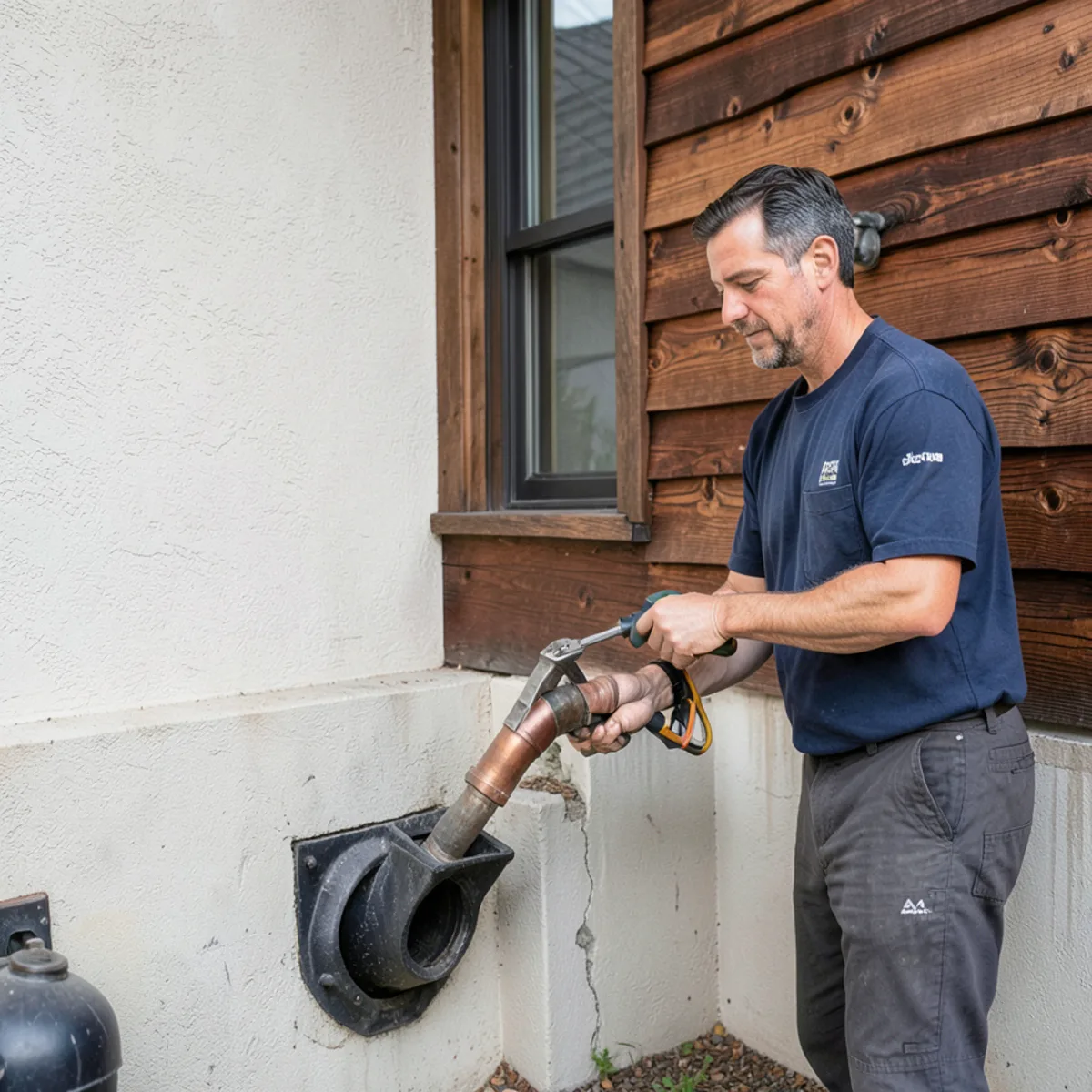
Many older Peninsula properties retain only a single-direction cleanout that points strictly toward the municipal main in the street. Under current California Plumbing Code (CPC) Chapter 7 and Redwood City municipal amendments, installing a modern two-way directional cleanout provides dual-direction access. A two-way cleanout features two curved sweep fittings back-to-back: one sweep directs sewer cables and cameras outbound toward the public sewer main, while the opposing sweep directs equipment back under the home foundation slab. This design allows technicians to clear blockages in either direction and install pneumatic test balls for mandatory pressure testing during sewer lateral replacements.
Key Takeaways
- Two-way directional cleanouts provide bidirectional cable and camera access
- Enables clearing of indoor under-slab blockages and outbound street lateral roots
- Essential for installing pneumatic test plugs required for municipal pressure testing
- Redwood City Building Division mandates cleanout installation on all lateral alterations
Property-Line Cleanouts and Municipal Boundary Responsibilities
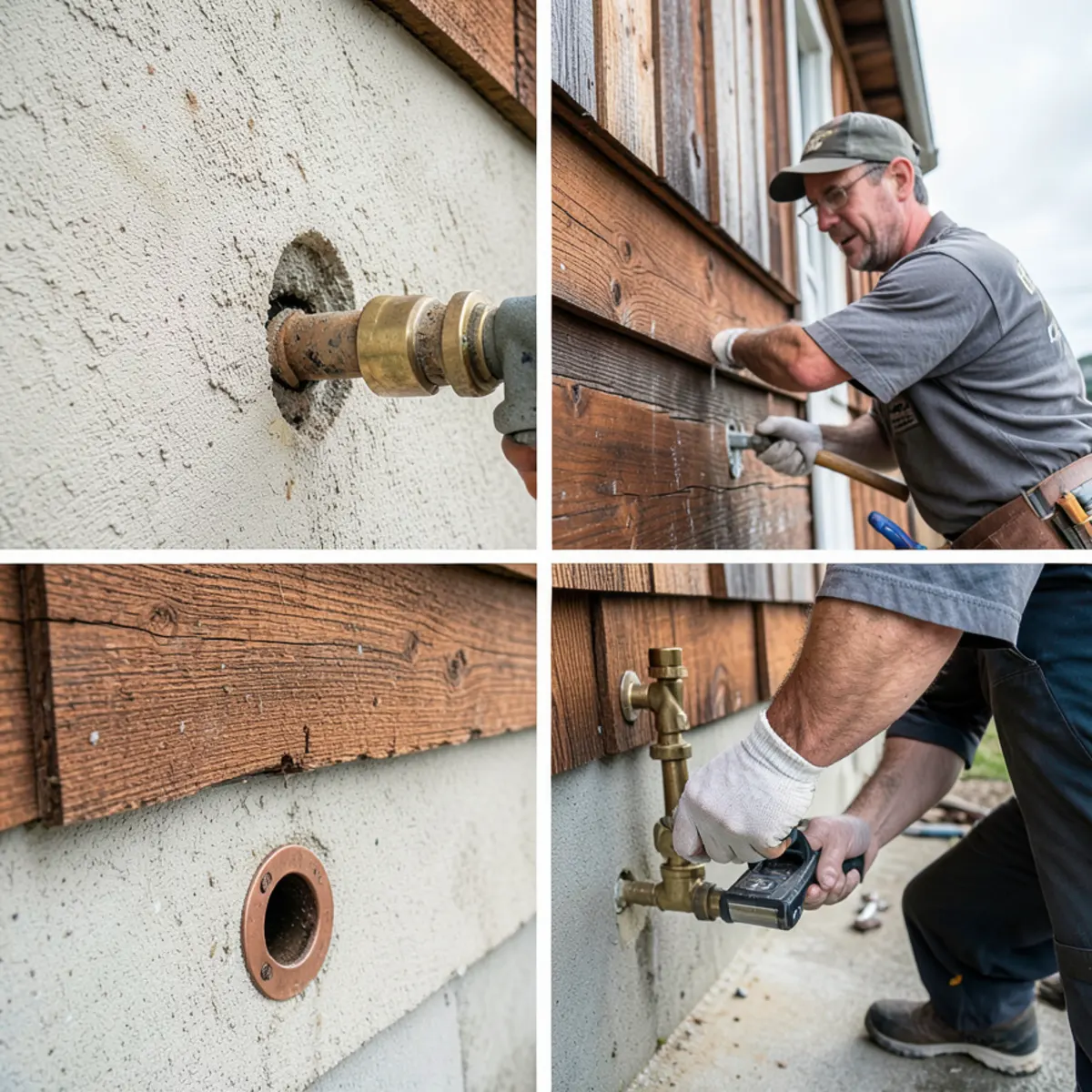
In San Mateo County, sewer maintenance responsibilities are divided between the property owner and the local sanitary agency. In Redwood City, the property owner is responsible for the entire private lateral from the house to the connection point at the municipal sewer main, unless a certified property-line cleanout exists at the public easement or curb line. Installing an approved property-line cleanout with a cast iron traffic-rated valve box at the sidewalk or curb defines the boundary, facilitates municipal compliance inspections, and provides an emergency overflow relief point outside the building footprint. All completed installations and replacements are fully permitted and inspected in coordination with municipal building officials to guarantee long-term property protection and legal compliance under the 2025 California Plumbing Code.
Key Takeaways
- Redwood City property owners maintain private laterals to the municipal main connection
- Property-line cleanouts installed at sidewalk or easement establish municipal demarcation
- Traffic-rated cast iron access boxes protect cleanout risers in driveways and parkways
- Facilitates rapid closed-circuit TV inspection required during property sales
Sewer Cleanout Access Methods Comparison
| Access Point | Equipment Capability | Indoor Mess Risk | Emergency Clearance Speed |
|---|---|---|---|
| Exterior Two-Way Cleanout | Full commercial hydro-jetting & 4" cutters | Zero indoor mess | Fastest (immediate ground access) |
| Pulled Toilet Flange | Medium 3" cables; no hydro-jetting | High (effluent on bathroom floors) | Moderate (requires toilet resetting) |
| Roof Plumbing Vent Stack | Small 2" cables only; high fall hazard | Moderate (debris tracked inside) | Slow (requires ladder & roof safety tie-off equipment) |
| Under-Sink P-Trap | Small hand snakes for secondary clogs | Low to moderate | Cannot clear main sewer stoppages |
Common Questions On This Topic
Frequently Asked Questions
Find clear answers to common questions about local plumbing codes, repairs, and our Redwood City service procedures.
On most Redwood City residences, the main cleanout is found outside within three to five feet of the foundation wall, frequently near the front hose bib or outside the primary bathroom. On homes with crawl spaces, an interior cleanout may also be located on the main vertical cast iron stack.
Regulatory References & Standards
- • California Plumbing Code Section 707.0
- • Redwood City Municipal Code Chapter 27
Need professional assistance with this plumbing issue?
Our technicians dispatch daily from 1835 Valota Rd. Call now to speak directly with our Redwood City team.