
Keep the old boiler or switch to a heat pump? Weighing the options
Choosing between a high-efficiency gas hydronic boiler and an electric heat pump system in Redwood City involves balancing California 2026 Title 24 all-electric mandates against existing home heating infrastructure. While hybrid heat pumps offer outstanding energy efficiency and lower carbon footprints, retaining or modernizing hydronic boilers provides superior radiant heat comfort in homes with existing radiators or in-slab tubing.
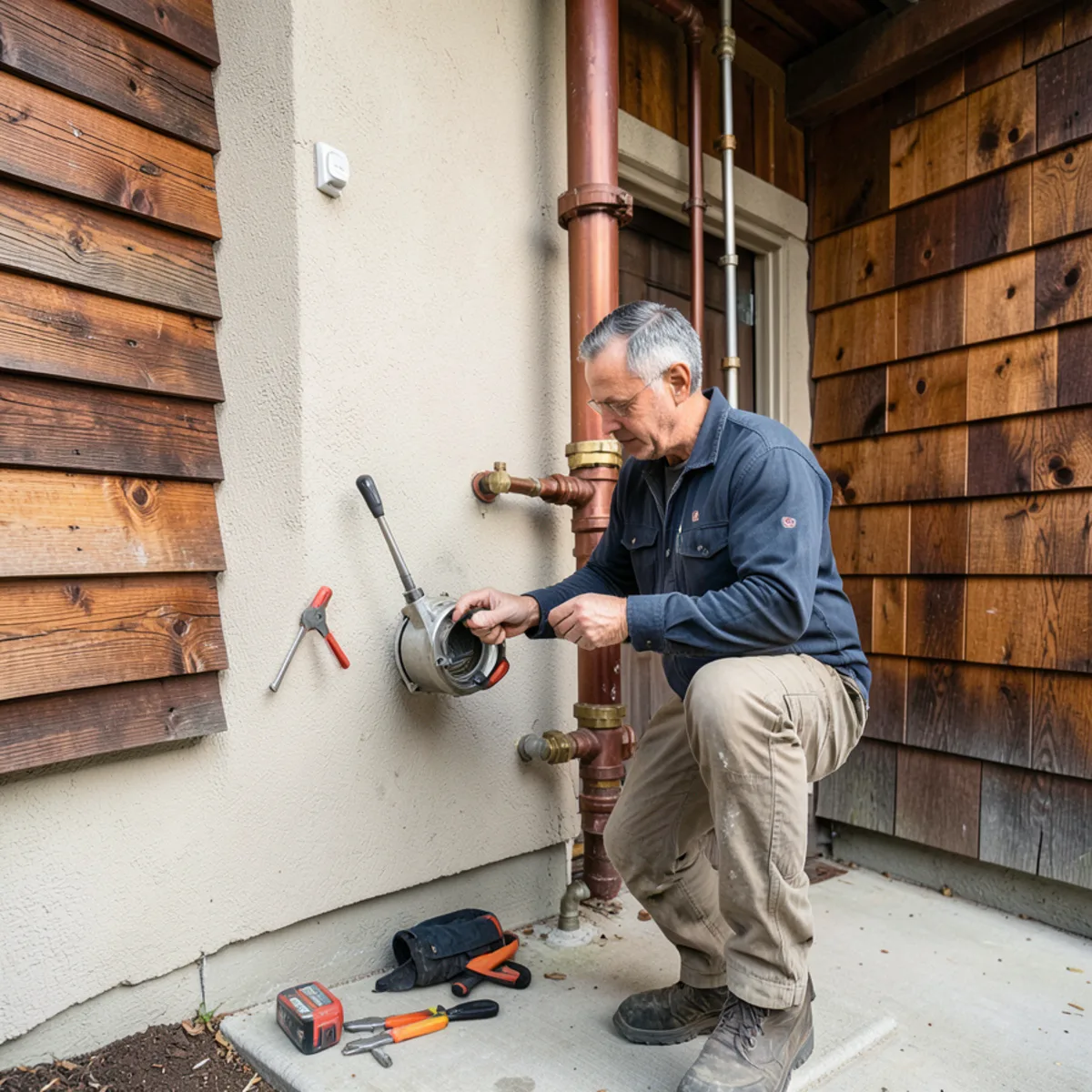
Table of Contents
- 1.Thermodynamic Differences: High-Temperature Hydronics vs Low-Temperature Heat Pumps
- 2.Electrical Infrastructure Upgrades and Panel Capacity Demands
- 3.Operating Economics: PG&E Tiered Natural Gas vs Electric Tariffs
- 4.Hybrid Dual-Fuel Configurations for Historic Peninsula Residences
- 5.Gas Hydronic Boiler vs. Electric Heat Pump Heating Comparison
- 6.Frequently Asked Questions
Thermodynamic Differences: High-Temperature Hydronics vs Low-Temperature Heat Pumps
Homeowners in historic Peninsula neighborhoods evaluating heating retrofits face a critical engineering choice between natural gas hydronic boilers and air-to-water electric heat pumps. The fundamental distinction lies in operating supply water temperature. Conventional gas boilers deliver high-temperature water (160°F to 180°F) designed to heat compact cast iron radiators or baseboard convectors. In contrast, modern residential heat pump water heating systems operate at lower, high-efficiency supply temperatures (115°F to 125°F). Attempting to run a low-temperature heat pump through existing small baseboards can leave a home under-heated on cold winter mornings unless radiator surface area is substantially expanded or in-slab radiant tubing exists.
Key Takeaways
- Gas boilers deliver high-temperature 180°F water required by compact cast iron radiators
- Heat pump hydronics operate efficiently at lower supply temperatures of 115°F to 125°F
- Existing baseboard heating often requires oversized fan coils or radiant floor tubing
- Accurate room-by-room BTU heat loss calculations determine retrofit thermodynamic viability
Electrical Infrastructure Upgrades and Panel Capacity Demands
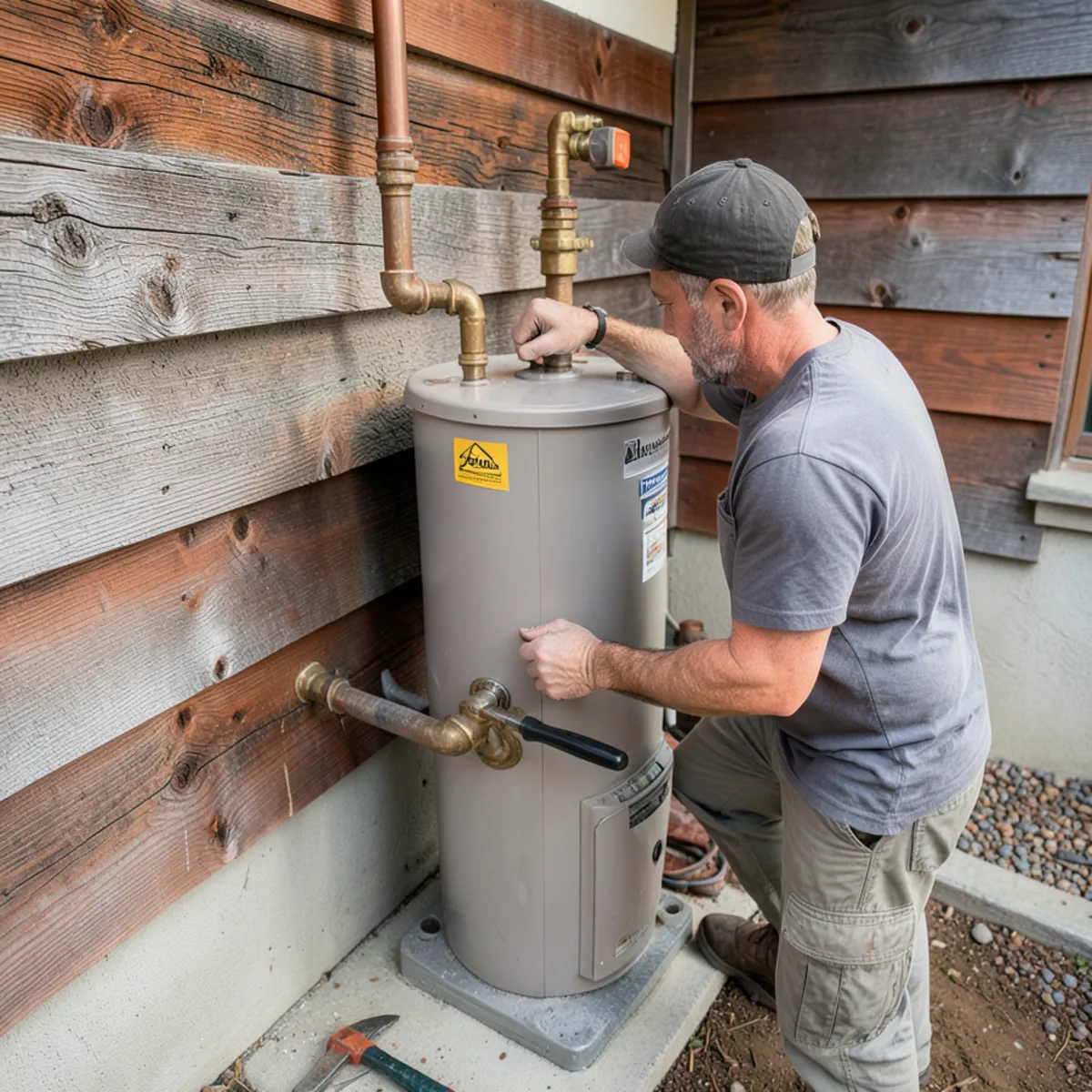
Transitioning from natural gas hydronic heating to whole-home heat pump technology requires substantial electrical service capacity. Gas boilers draw minimal electrical power—typically less than 5 amps at 120V to power a circulator pump and electronic spark control. Conversely, an air-source heat pump system delivering 48,000 to 60,000 BTU of heating requires a dedicated 240-volt, 40-amp to 50-amp circuit. Many mid-century homes in Redwood City, North Fair Oaks, and Ladera operate on older 100-amp electrical panels. Electrifying heating often mandates upgrading to a 200-amp electrical service panel with PG&E, adding $3,500 to $6,500 to project budgets before mechanical equipment is installed.
Key Takeaways
- Gas boilers consume minimal 120V electricity for circulator pumps and control boards
- Heat pump compressors require dedicated 240V 40A to 50A electrical branch circuits
- Older 100A main electrical panels frequently require 200A upgrades through PG&E
- Requires electrical load calculations and municipal electrical permitting
Operating Economics: PG&E Tiered Natural Gas vs Electric Tariffs
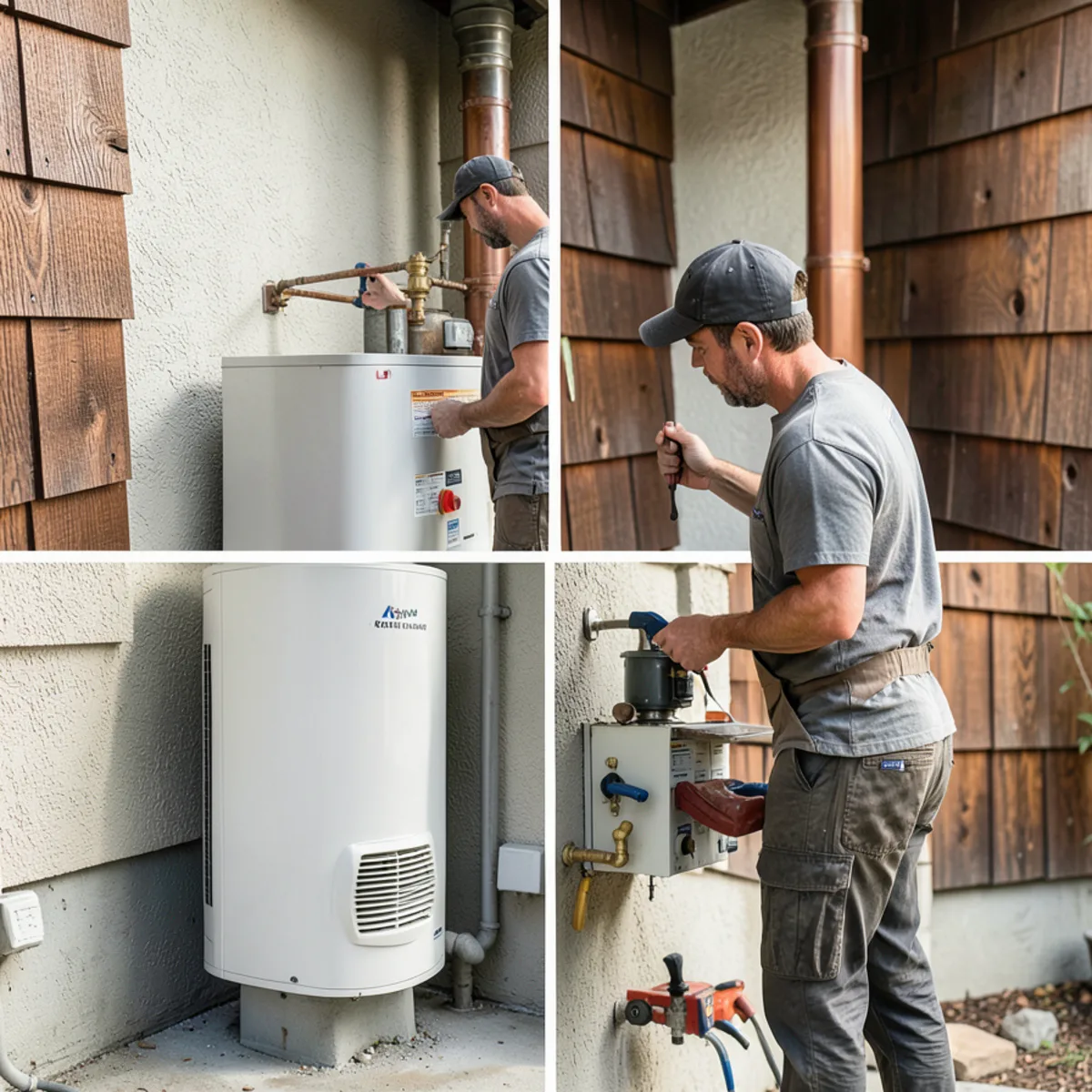
Calculating operating costs on the San Francisco Peninsula involves analyzing volatile PG&E utility rate structures. Historically, natural gas was significantly cheaper per delivered BTU than electricity. However, modern variable-capacity inverter heat pumps achieve Coefficients of Performance (COP) of 3.0 to 4.0, delivering three to four units of thermal heat energy for every unit of electrical energy consumed. For homes with existing residential solar photovoltaic (PV) arrays, operating an electric heat pump during daytime hours provides substantial operational savings. For homes without solar, tiered PG&E winter electric rates must be carefully compared against winter gas therm rates to project true long-term utility expenses.
Key Takeaways
- Inverter heat pumps deliver COP ratings of 3.0 to 4.0 in mild mid-Peninsula climates
- Pairing electric heat pumps with residential solar PV maximizes operational cost savings
- High PG&E winter electric rate tiers can offset efficiency gains if solar is absent
- Condensing gas boilers achieve 95% AFUE efficiency with lower upfront capital costs
Hybrid Dual-Fuel Configurations for Historic Peninsula Residences
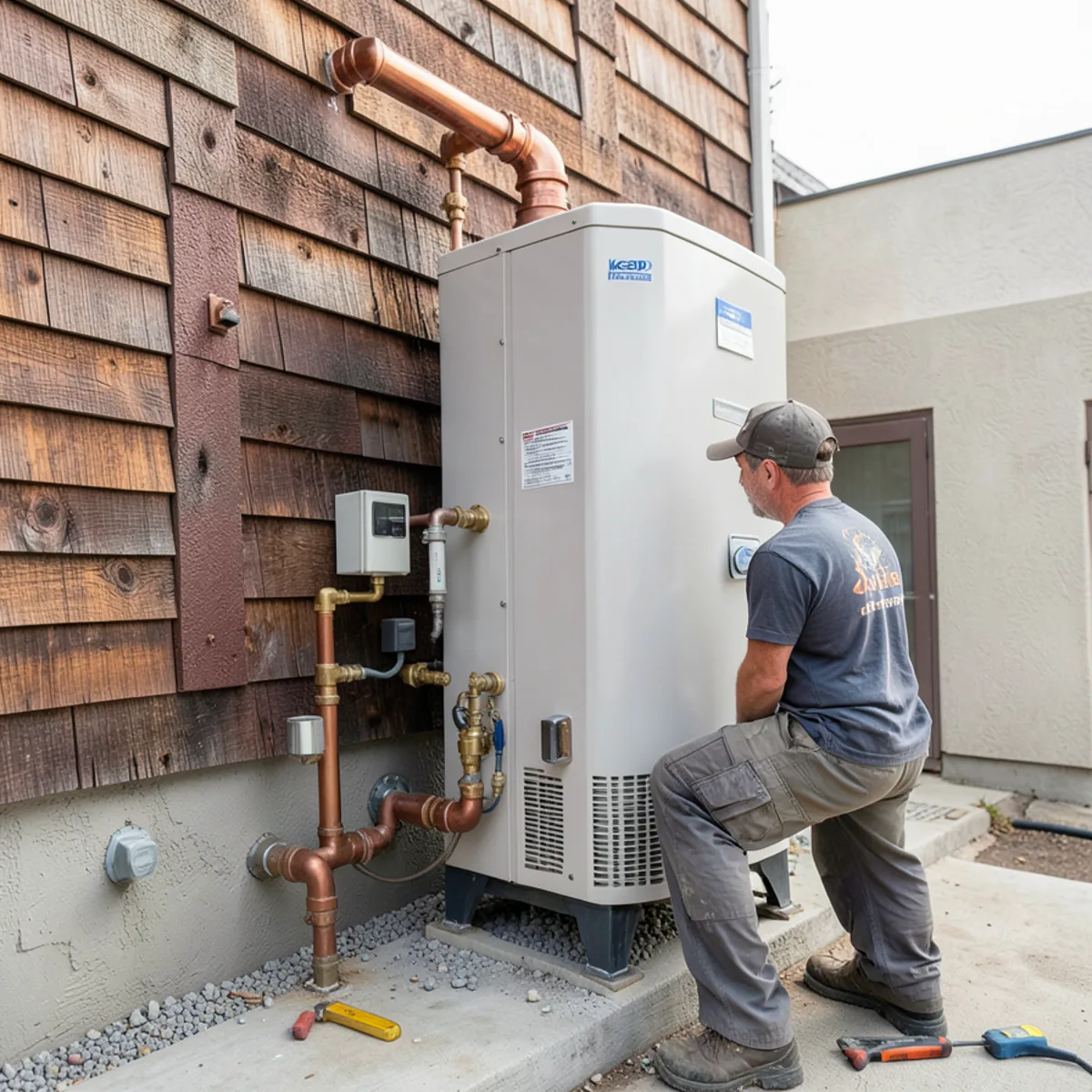
For many historic Craftsman and Tudor residences in Redwood City with original architectural cast iron radiators, a hybrid dual-fuel system provides the ideal solution. In this configuration, an air-source heat pump handles domestic hot water and baseline space heating during mild autumn and spring days. When outdoor temperatures drop into the 30s during winter nights, an ultra-compact condensing gas boiler fires up to deliver high-temperature 180°F water to vintage radiators. Furthermore, dual-fuel configurations qualify for generous regional BayREN electrification rebates up to $10,000 while preserving historic interior architectural integrity.
Key Takeaways
- Hybrid systems utilize electric heat pumps for mild weather and gas boilers for freezing nights
- Preserves historic architectural cast iron radiators without requiring interior demolition
- Qualifies for substantial BayREN, Peninsula Clean Energy, and federal tax incentives
- Provides heating resilience and operational flexibility against utility rate increases
Gas Hydronic Boiler vs. Electric Heat Pump Heating Comparison
| Decision Factor | High-Efficiency Gas Boiler (Condensing) | Hybrid Electric Heat Pump System |
|---|---|---|
| Fuel Source | Natural Gas | Electricity (100% renewable grid power) |
| Operating Efficiency | 90% to 95% AFUE | 300% to 400% COP (3 to 4x efficiency) |
| Heating Delivery Method | In-slab radiant tubing / cast iron radiators | Ductless heat pump or air-to-water radiant |
| Title 24 Compliance | Requires efficiency offsets in new builds | Fully compliant with California all-electric codes |
| Lifespan & Durability | 20 to 30 years (cast-iron durability) | 12 to 15 years (complex electronic compressor) |
Common Questions On This Topic
Frequently Asked Questions
Find clear answers to common questions about local plumbing codes, repairs, and our Redwood City service procedures.
It depends on radiator sizing. Vintage cast iron radiators were sized for 180°F boiler water. A heat pump produces 120°F water, providing about half the heat output per square foot of radiator. Unless your home has oversized radiators or extensive insulation upgrades, auxiliary fan coils or hybrid heating may be required.
Regulatory References & Standards
- • 2022 California Energy Code (Title 24)
- • Peninsula Clean Energy Electrification Guidelines
Related Plumbing Services
Target Service Communities
Need professional assistance with this plumbing issue?
Our technicians dispatch daily from 1835 Valota Rd. Call now to speak directly with our Redwood City team.